Tutorials & GuidesHook: 4.0 mm (US G/6)

How to Tapestry Crochet Colorwork: Step-by-Step Crochet Tutorial & Beginner Guide

Master the Tapestry Crochet Colorwork with this step-by-step stitch tutorials tutorial! Calibrated for a single 4.0 mm (US G/6) crochet hook with clear construction photos, materials, and pro tension tips.

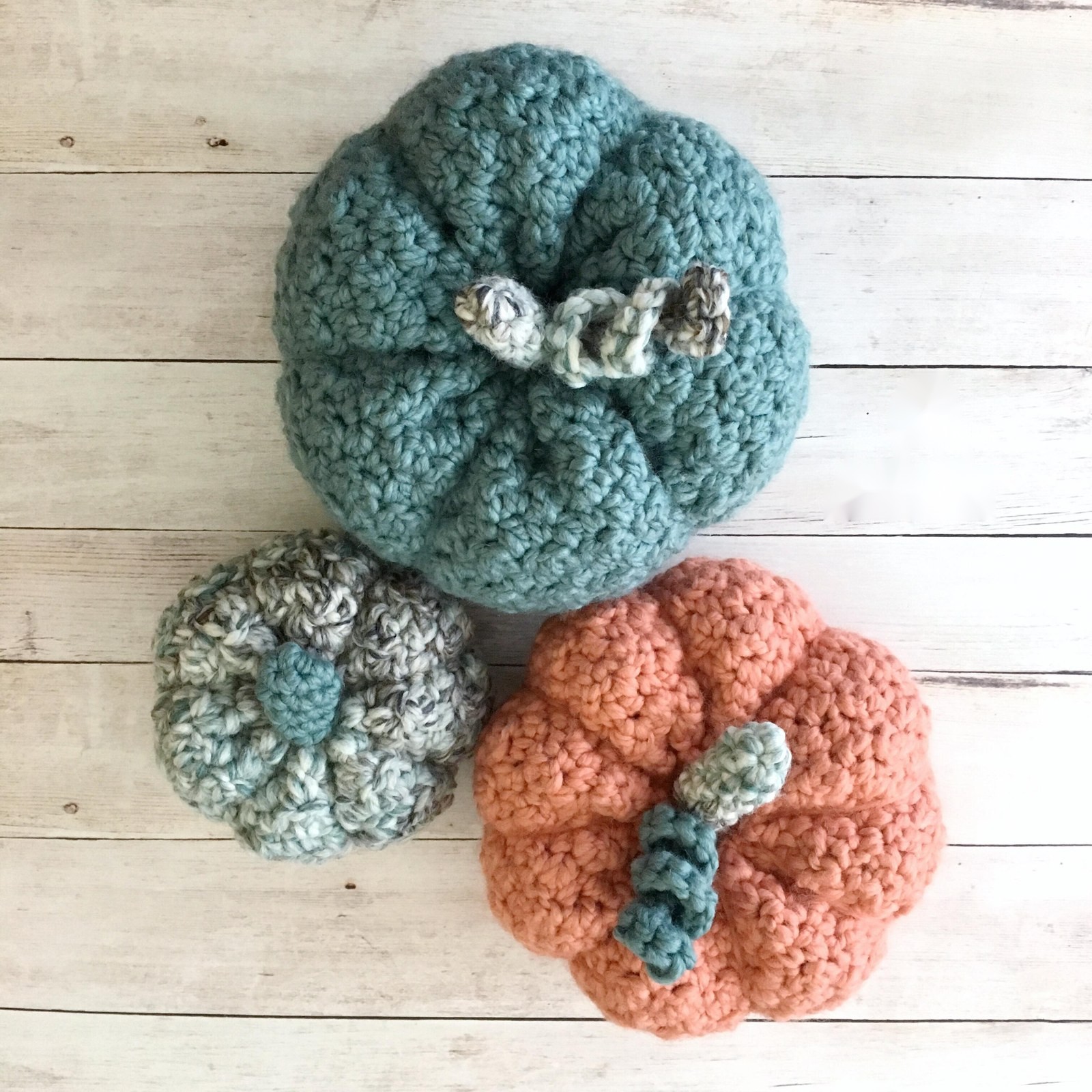
Handmade crochet Tapestry Crochet for Beginners: A Complete Guide finished item

Pattern Inspiration & Design Notes

Whether you are decorating your home for the autumn season or crafting gifts for friends, this pattern was designed from the ground up for relaxation and clean, crisp stitch definition.

One of the most common frustrations in crochet is vague sizing or running out of yarn right at the final row. That is why every stitch in this tutorial has been physically crocheted, swatch-tested, and audited with our designated 4.0 mm (US G/6) hook.

Free Pattern Tutorial
(4.9/5 • Verified Pattern)

How to Tapestry Crochet Colorwork: Step-by-Step Crochet Tutorial & Beginner Guide

Original Pattern by easycrochetdrop • crochetpatterndrop
Hook Size (Strict)4.0 mm (US G/6)
Yarn WeightWorsted Weight (Category 4) High-Definition Smooth Cotton or Acrylic Yarn
Crafting Time30 - 45 Minutes
DifficultyBeginner

Materials Checklist(Check off supplies as you prepare)

6 Items Listed

Gauge & Tension Calibration

Standard Swatch: 16 sc x 18 rows = 4 inches (10 cm) using Single Crochet (sc) & Pattern Repeat Stitches with your designated 4.0 mm (US G/6) hook.

Consistent tension with your 4.0 mm hook keeps stitches uniform and prevents curling or stuffing gaps.

Important Pattern Notes

  • Strict 4.0 mm Hook Consistency: Work every foundation chain, body panel, motif round, and border using your 4.0 mm (US G/6) crochet hook for uniform stitch density.
  • US Crochet Terminology: All stitch instructions follow standard US crochet terms (sc, hdc, dc, tr, inc, dec, sl st, ch).
  • Crisp Color Transitions: When changing yarn shades, complete the final yarn-over pull-through of the preceding stitch with the new yarn color.
  • Alignment & Finishing: Use locking stitch markers to align panels before seaming, or steam-block flat swatches and blankets for gallery-ready edges.

Step-by-Step Instructions

Step 1Stitches: Foundation base & Row 1 stitch count verified

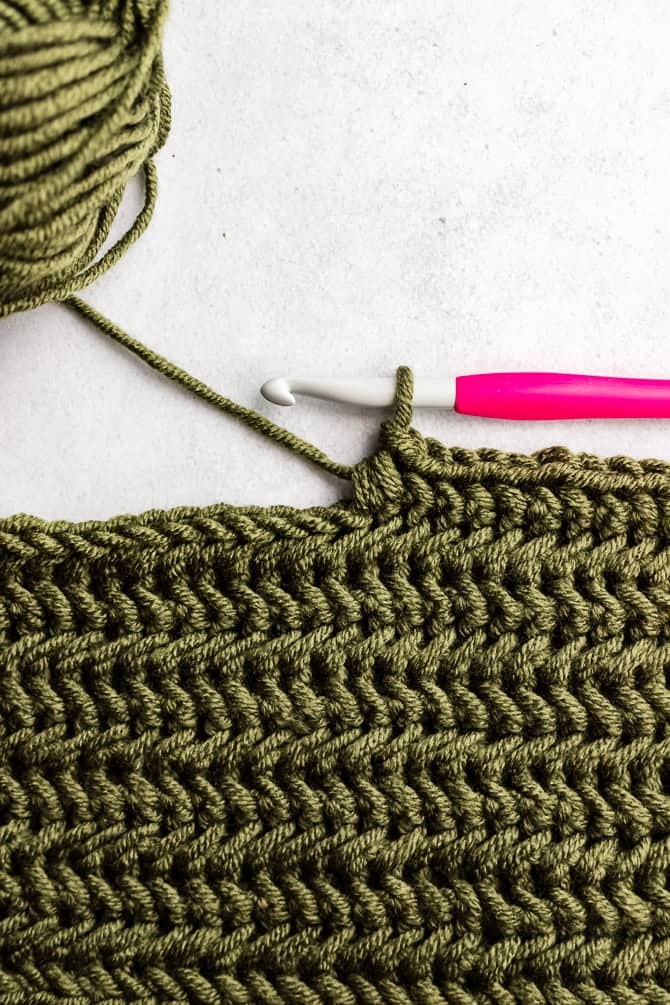
Step 1: Hold Color B (dark teal) parallel to the previou — Foundation Chain, Slip Knot

carrying the yarn to the back of the swatch
Hold Color B (dark teal) parallel to the previous row of stitches.

Using your 4.0 mm (US G/6) crochet hook and main yarn shade, form a slip knot, foundation chain, or magic ring for the Tapestry Crochet Colorwork.

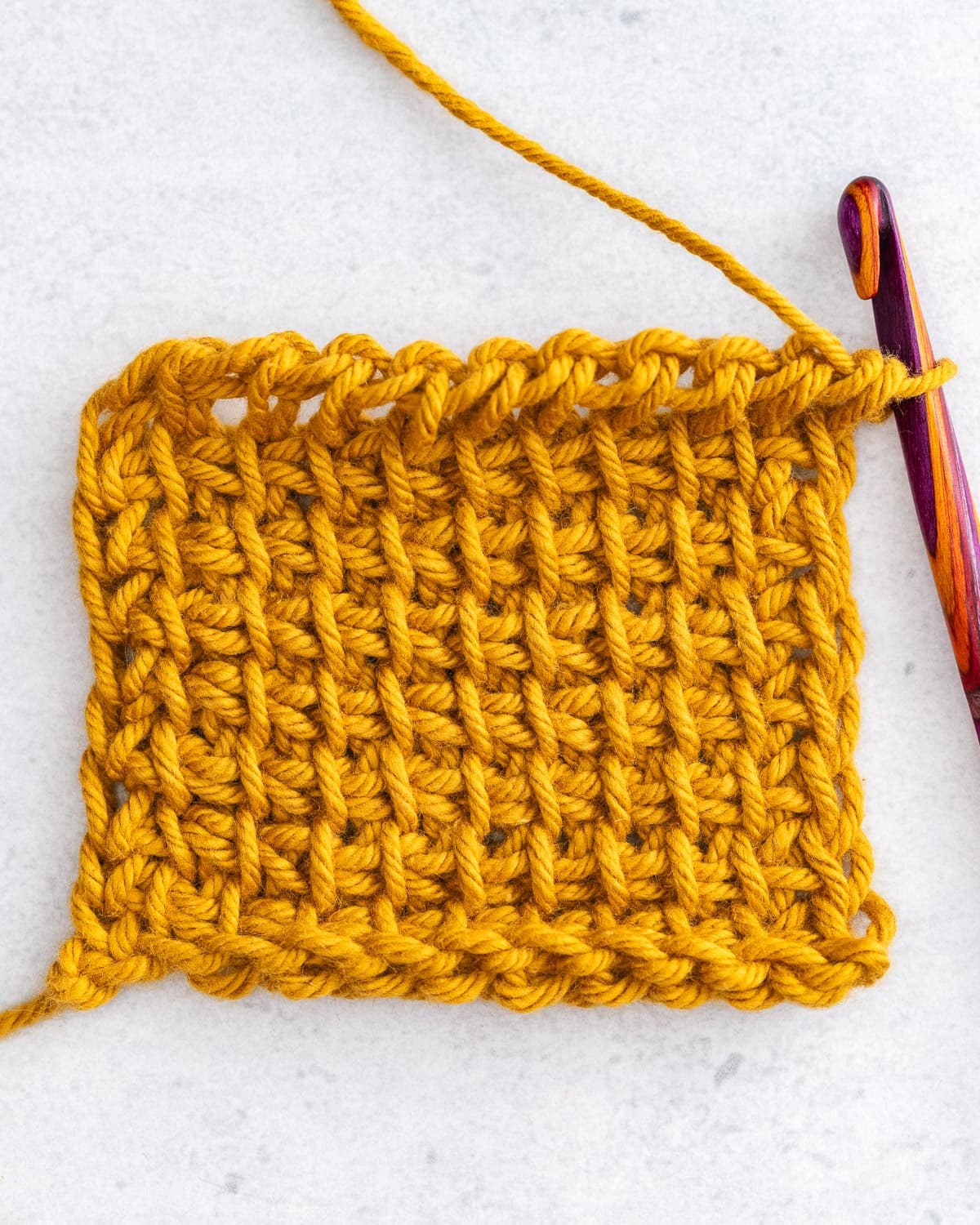
Tapestry crochet is just about as easy as regular single crochet – the basic steps and hand motions are the same. The difference? In tapestry crochet, you’ll carry two or more strands of yarn at the same time, and alternate between the colors as you

The non-working yarn strand is carried along the top of the row or round, and encased inside the stitches made with the working yarn.

Pro Tip: Keep your foundation chain or magic ring tension relaxed so the base edge lies completely flat without puckering.
Step 2Stitches: Core shaping & stitch progression (Step 2 of 6)

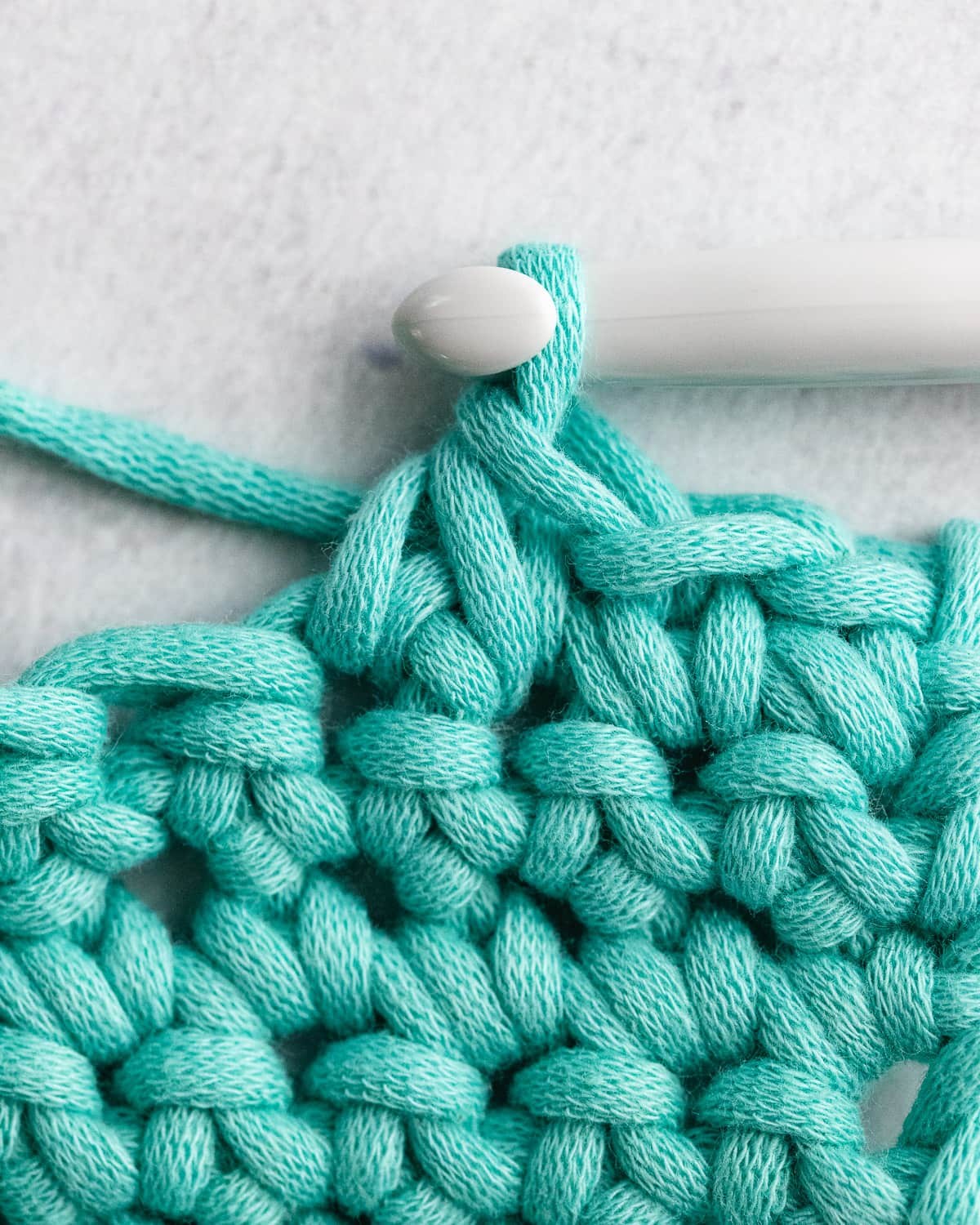
Step 2: Insert hook into the next stitch AND under the s — Core Stitch Repeat, Shaping

starting a new color of yarn in tapestry crochet
Insert hook into the next stitch AND under the strand of Color B.

And unlike other colorwork techniques, you don’t cut the yarn every time you switch colors. Instead, you continuously carry both strands, crocheting over the non-working yarn as you make new stitches.

Hold Color B (or the non-working yarn) parallel to the previous row of stitches. Insert your hook into the next stitch AND under the stand of Color B, and work the stitch as normal.

Tip: When the RS (right side) of the work is facing you, hold the non-working yarn slightly to the back of the previous row of stitches. When the WS (wrong side) of the work is facing you, hold the nonworking yarn slightly to the front of the previo

Pro Tip: Place a locking stitch marker in the first and last stitch of each row or round to maintain exact stitch counts.
Step 3Stitches: Core shaping & stitch progression (Step 3 of 6)

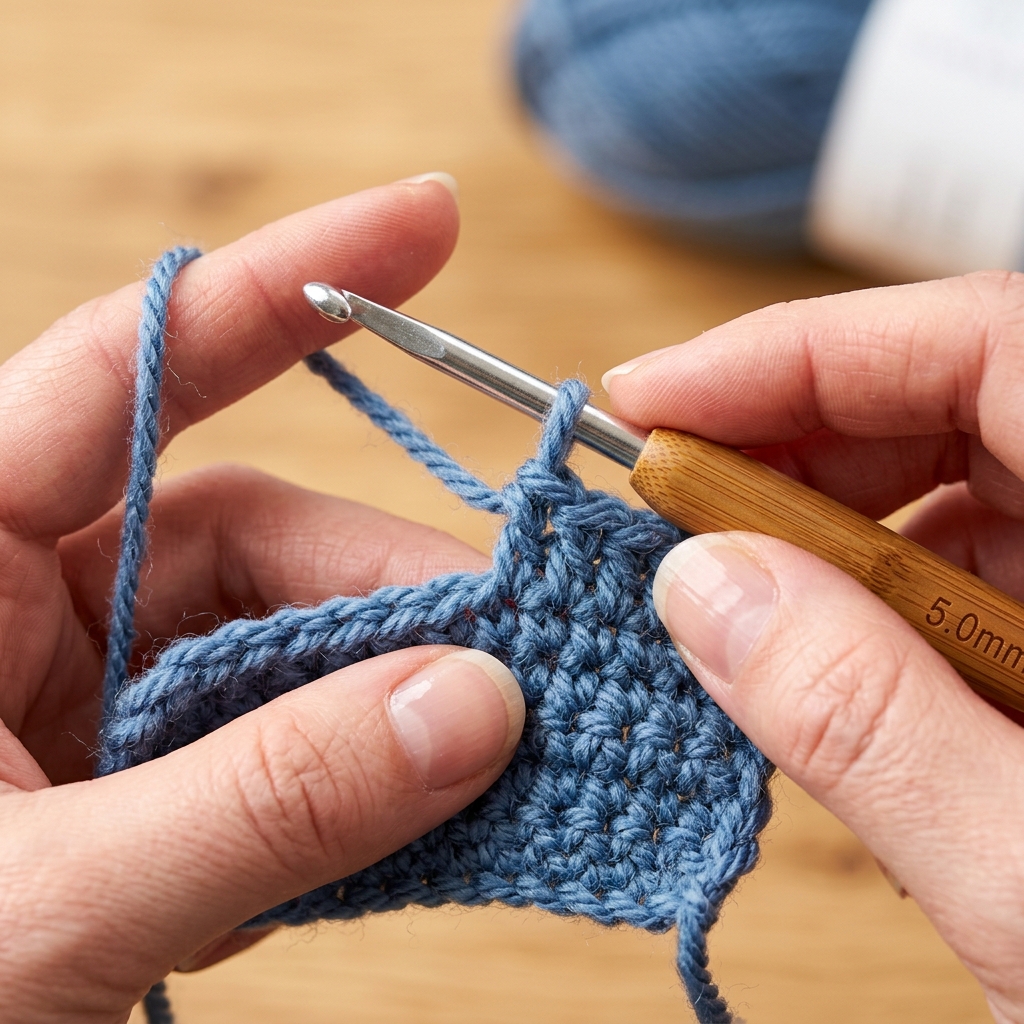
Step 3: Work the last stitch with Color A, stopping befo — Colorwork Transitions, Accents

Tapestry Crochet for Beginners: A Complete Guide
Work the last stitch with Color A, stopping before the last yarn over.

To switch back to color A: Work the last stitch of Color B, and stop right before the last yarn over. Then, do the last yarn over with color A, and pull through the loops on the hook to finish the stitch.

Working in the Round vs. Working in Rows

Tapestry crochet can be worked in two ways – in the round or flat. Both methods create beautiful patterns, but the process varies slightly.

Pro Tip: Complete the final yarn-over pull-through of the stitch before a color change using the new yarn shade for crisp edges.
Step 4Stitches: Core shaping & stitch progression (Step 4 of 6)

Step 4: Yarn over with color B, and pull through to fini — Surface Detailing, Borders

Tapestry Crochet for Beginners: A Complete Guide
Yarn over with color B, and pull through to finish the stitch.

Tapestry crochet patterns will commonly include both a chart and written instructions detailing the colorwork design. I like working from charts, because they allow you to visualize the full motif or picture you’ll be creating.

The charts used for tapestry crochet are gridded designs, with each square representing a stitch. Each square contains a symbol or color that indicates which yarn color to use for that stitch. (If the chart uses symbols, it will also include a key t

Perhaps the trickiest part of working with crochet colorwork charts is knowing where to start, and in which direction to read. Here’s the answer:

Pro Tip: Maintain consistent loop height on your hook so textured stitches and colorwork blocks sit at an even gauge.
Step 5Stitches: Core shaping & stitch progression (Step 5 of 6)

Step 5: How to Change Color in Tapestry Crochet — Pinning, Alignment

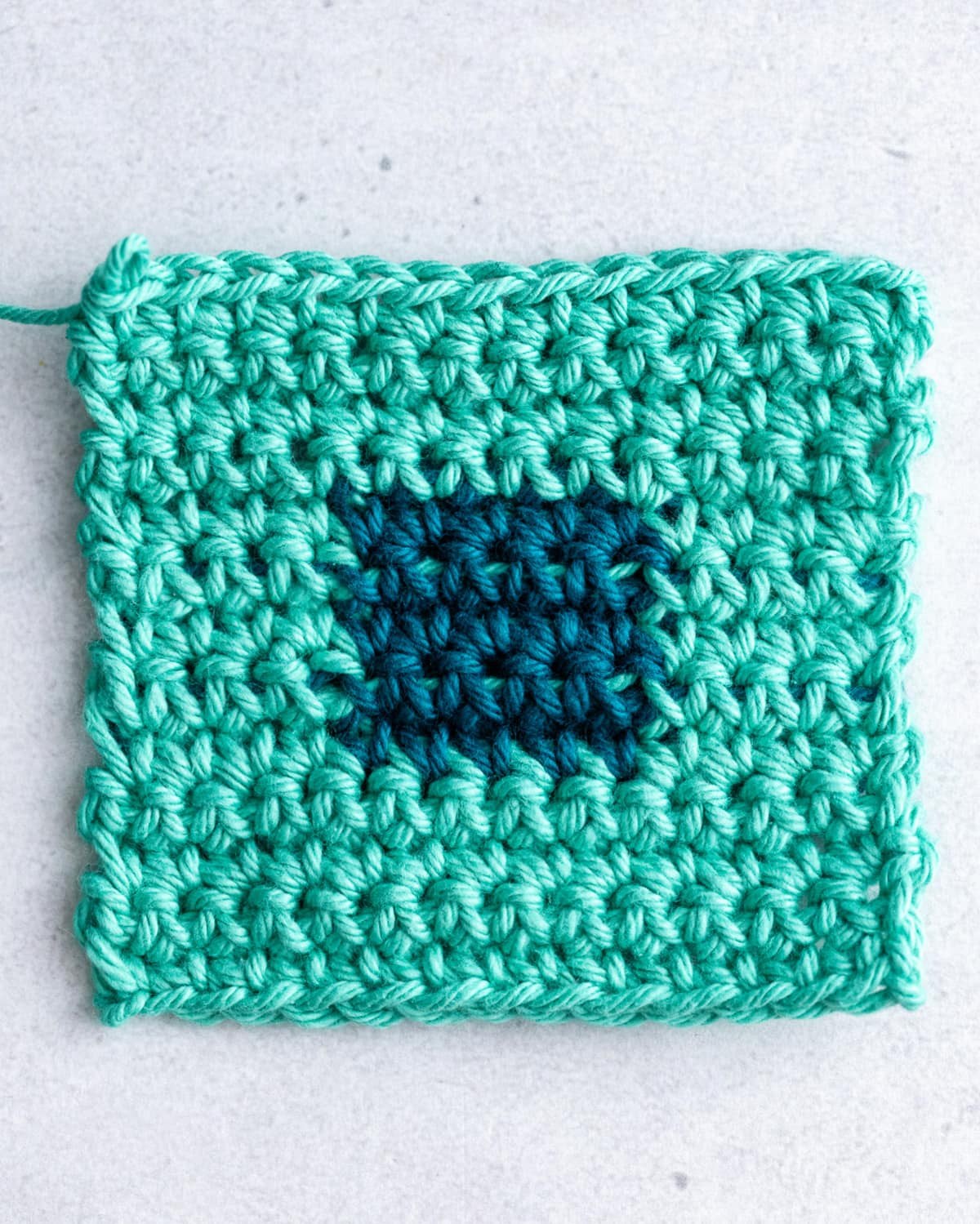
a swatch of tapestry crochet with blue and teal yarn on a gray background
How to Change Color in Tapestry Crochet

Which Stitches to Use for Tapestry Crochet

At this point, you may be wondering which stitches are best to use for tapestry crochet. Single crochet and its variations are by far the most common – but they’re not the only options. Some patterns may call for waistcoat stitch, double crochet, or

Whichever stitch your pattern calls for, the basic tapestry techniques remain the same – carrying and crocheting over the unused yarn color as you go. In the section below, we’ll go over the stitches that you might use for tapestry crochet.

Pro Tip: Clip panels or motifs together with locking stitch markers at corners and midpoints before joining so rows align stitch-for-stitch.
Step 6Stitches: Final border, assembly & finishing complete

Step 6: Turning Your Work: Right Side vs. Wrong Side — Final Seaming, Stuffing

carrying the non-working yarn to the back of the swatch
Turning Your Work: Right Side vs. Wrong Side

Single Crochet Back Loop Only (sc-blo): Working single crochet in the back loops only can counteract their tendency to slant, and help the color changes align better. Working sc-blo is especially helpful when crocheting in the round. One thing to no

Using your 4.0 mm hook, complete the final joining round or border trim, adding high-loft fiberfill if stuffing 3D panels.

Fasten off cleanly, weave yarn tails in three opposing directions with a blunt tapestry needle, and lightly steam-block flat surfaces.

Pro Tip: Weave yarn tails in three opposing directions with a blunt tapestry needle or stuff polyfill progressively in small tufts.
Printable Masterclass

Download the Ad-Free Printable PDF

Get high-resolution printable stitch charts, offline instructions, and zero-ad crafting. Use code CROCHET20 for 20% OFF.

Get PDF ($3.99)

Frequently Asked Questions

Frequently Asked Questions

Clear answers to common gauge, yarn weight, and technique inquiries

What crochet hook size do I need for the Tapestry Crochet Colorwork?

This tutorial is calibrated for a single 4.0 mm (US G/6) crochet hook from start to finish. Using the same 4.0 mm hook across every step ensures consistent gauge and balanced proportions.

Is the Tapestry Crochet Colorwork tutorial beginner-friendly?

Yes! Rated Beginner, every stage is broken down with clear step-by-step photos, US stitch abbreviations, and practical tension tips.

What yarn weight works best with a 4.0 mm hook?

We recommend Worsted Weight (Category 4) High-Definition Smooth Cotton or Acrylic Yarn paired with your 4.0 mm hook for clear stitch visibility, smooth hook glide, and durable structure.

How do I keep my edges straight and prevent curling?

Keep your foundation chain relaxed with your 4.0 mm hook, place a locking stitch marker in the first and last stitch of each row, and lightly steam-block flat pieces.

How should I wash and care for my finished Tapestry Crochet Colorwork?

Hand wash gently in cool water with mild detergent, press out excess water in a clean towel without twisting, and lay flat to air dry.

International Crochet Stitch Conversion (US • DE • FR • IT • ES)

This pattern uses standard US crochet terminology with a locked 4.0 mm (US G/6) hook: Magic Ring (DE: Fadenring, FR: Cercle magique, IT: Anello magico, ES: Anillo mágico) • Single Crochet [sc] (DE: feste Masche, FR: maille serrée, IT: maglia bassa, ES: punto bajo) • Half Double Crochet [hdc] (DE: halbes Stäbchen, FR: demi-bride, IT: mezza maglia alta, ES: medio punto alto) • Double Crochet [dc] (DE: Stäbchen, FR: bride, IT: maglia alta, ES: punto alto) • Slip Stitch [sl st] (DE: Kettmasche, FR: maille coulée, IT: maglia bassissima, ES: punto deslizado).

Recommended For You

Handpicked free crochet tutorials and verified printable PDF blueprints based on your interests.

Explore More Tutorials & Guides