Collection Archive

Amigurumi Patterns

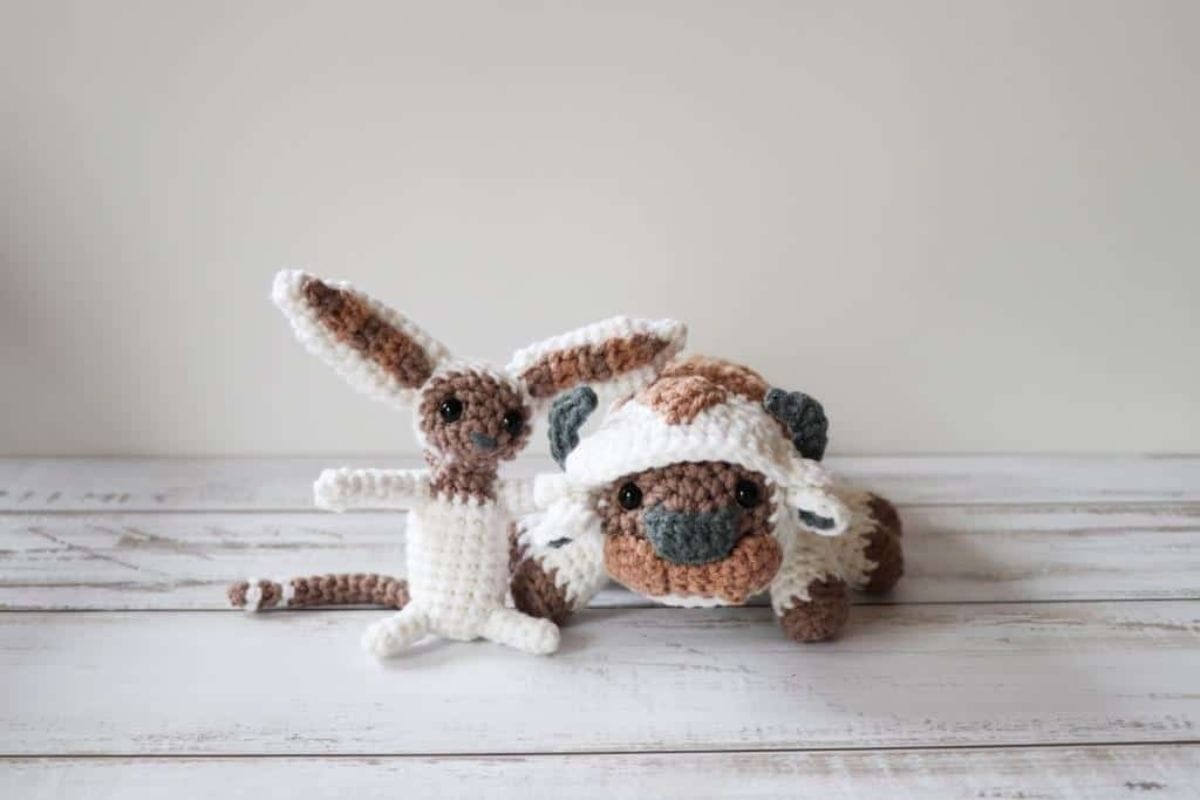
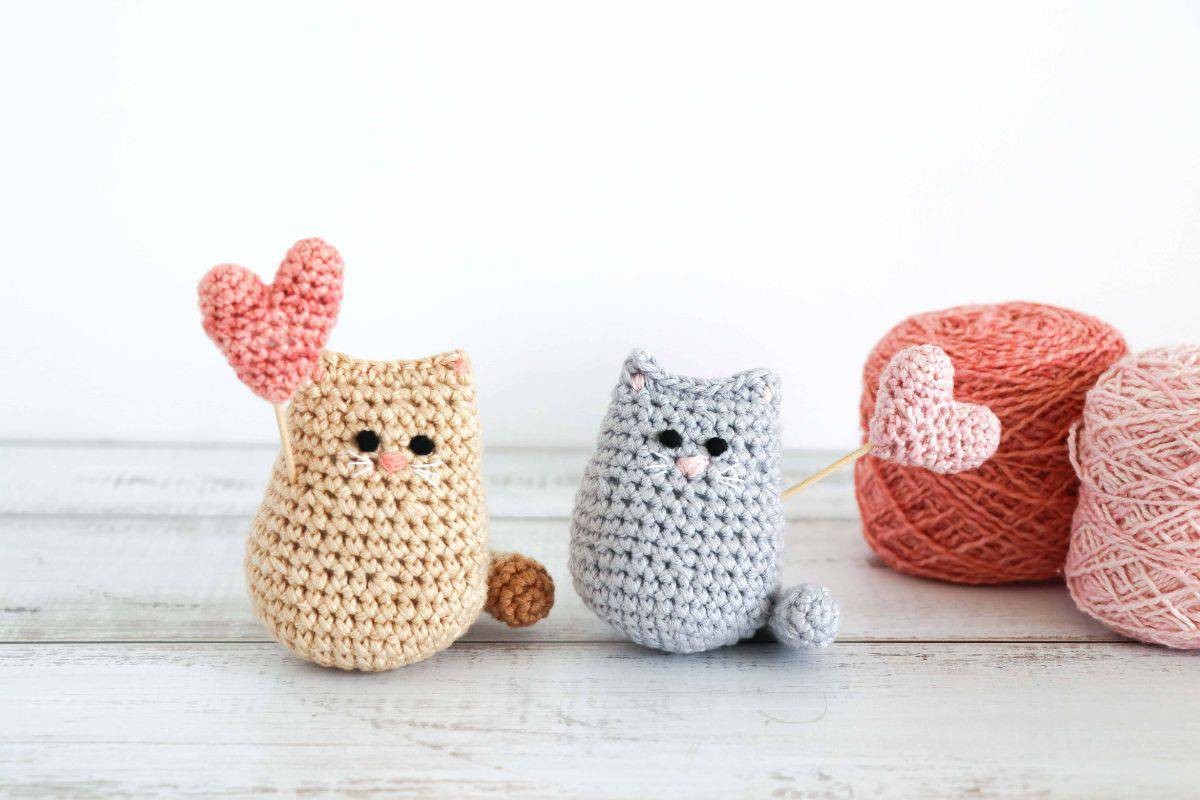
Free amigurumi crochet patterns, Appa crochet pattern, cat crochet pattern free, teddy bear crochet pattern, crochet frog, magic ring crochet tutorials, and cute crochet ideas.

Maker Insights & Guide

Free Amigurumi Crochet Patterns & Plushie Guide for Beginners

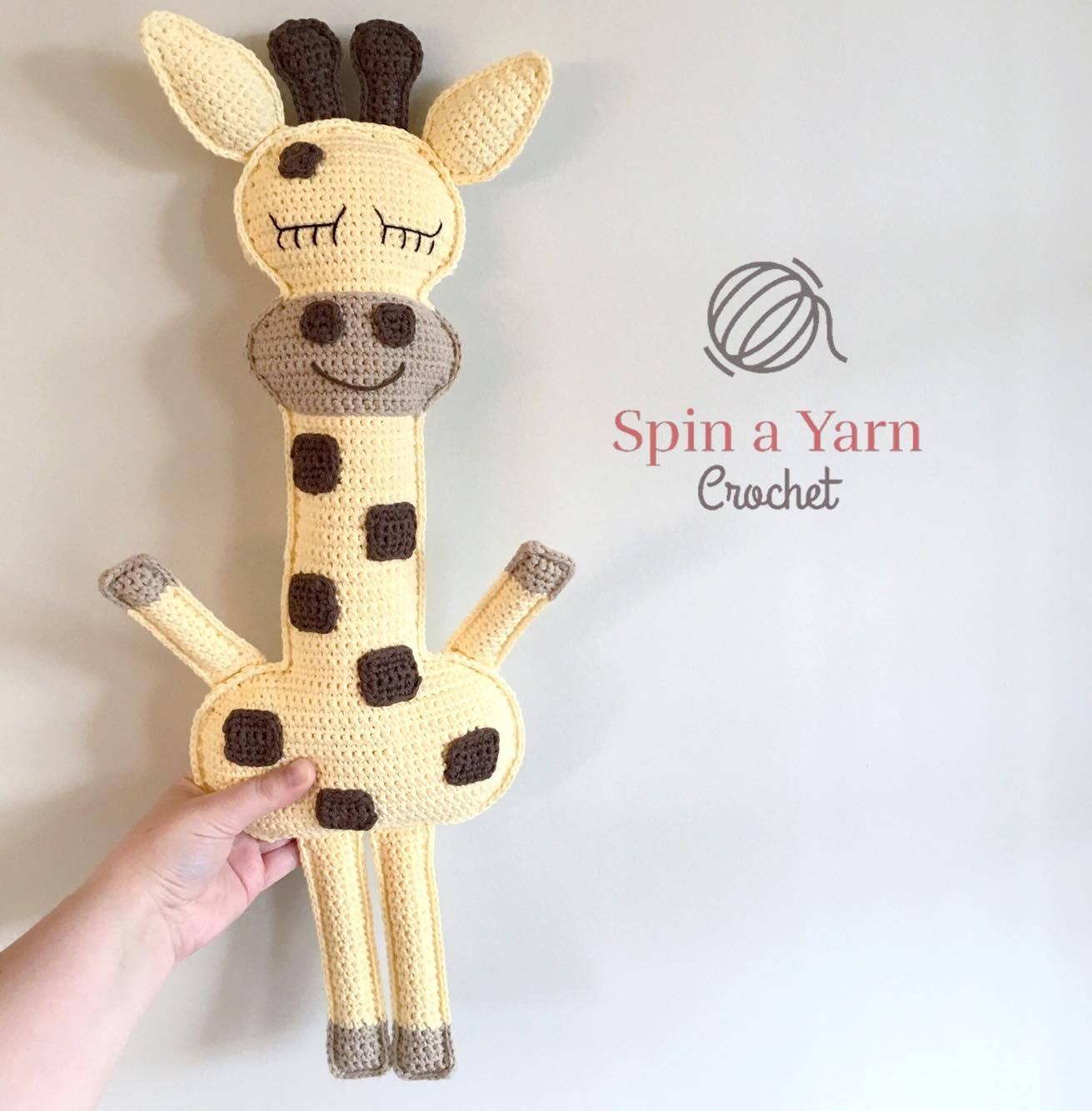
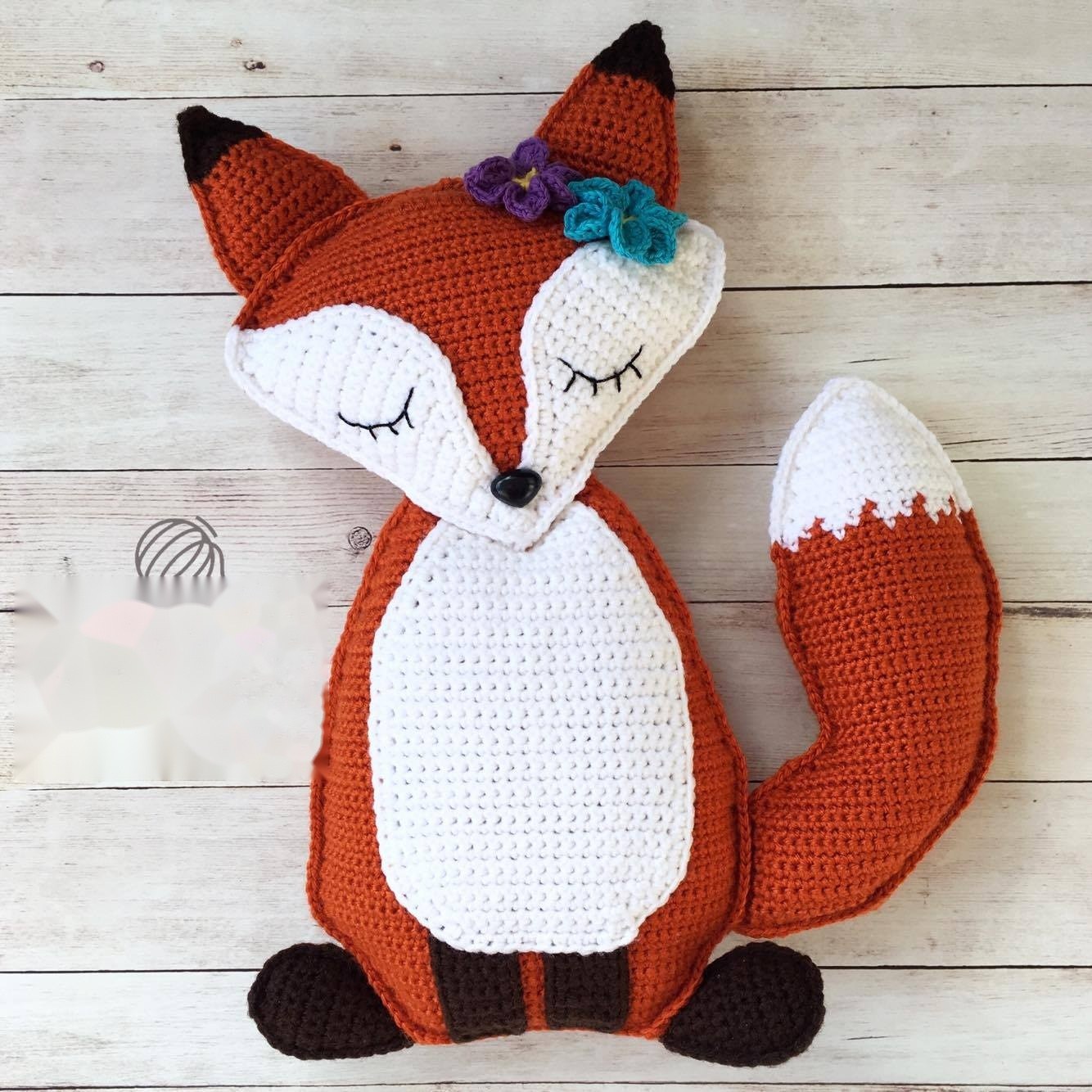
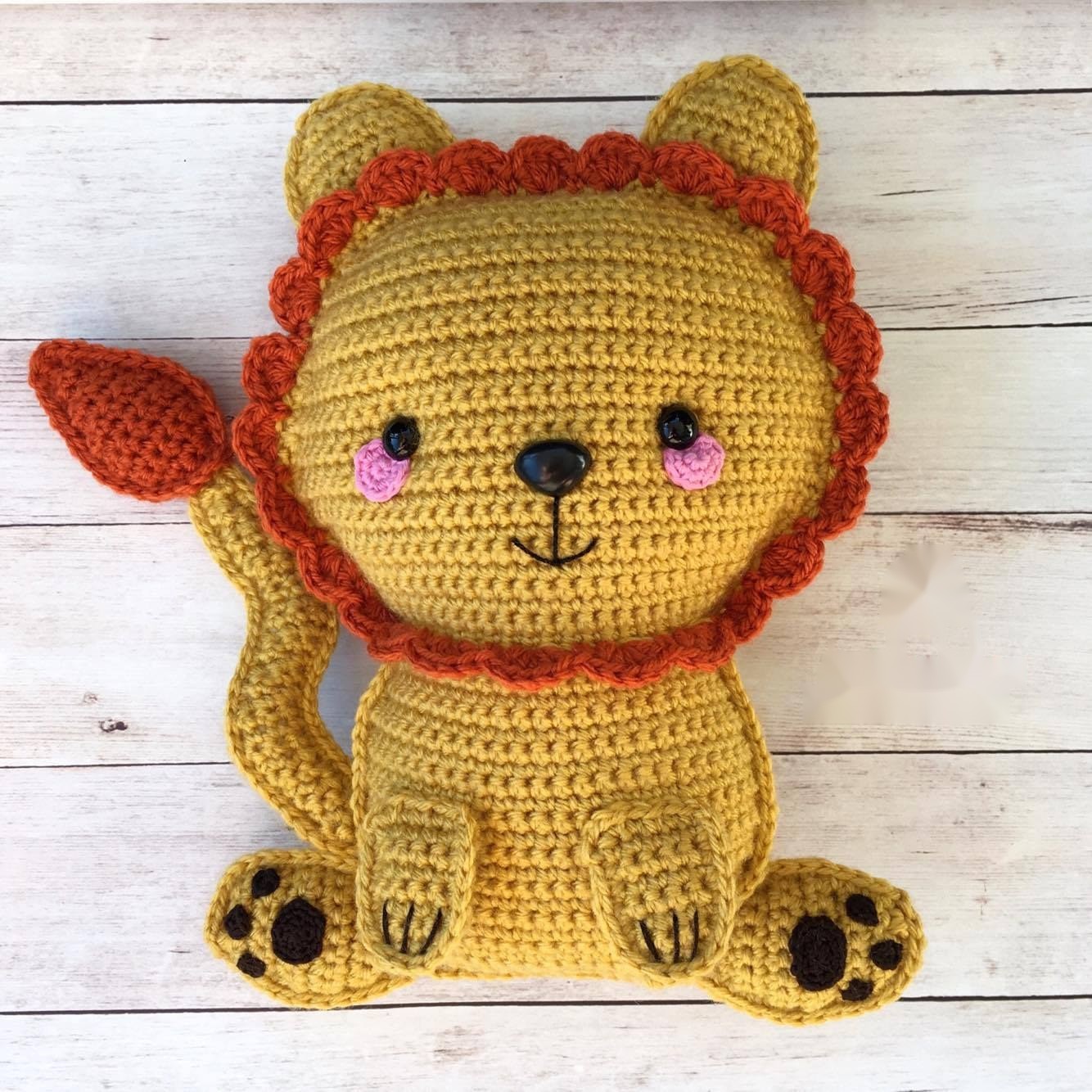
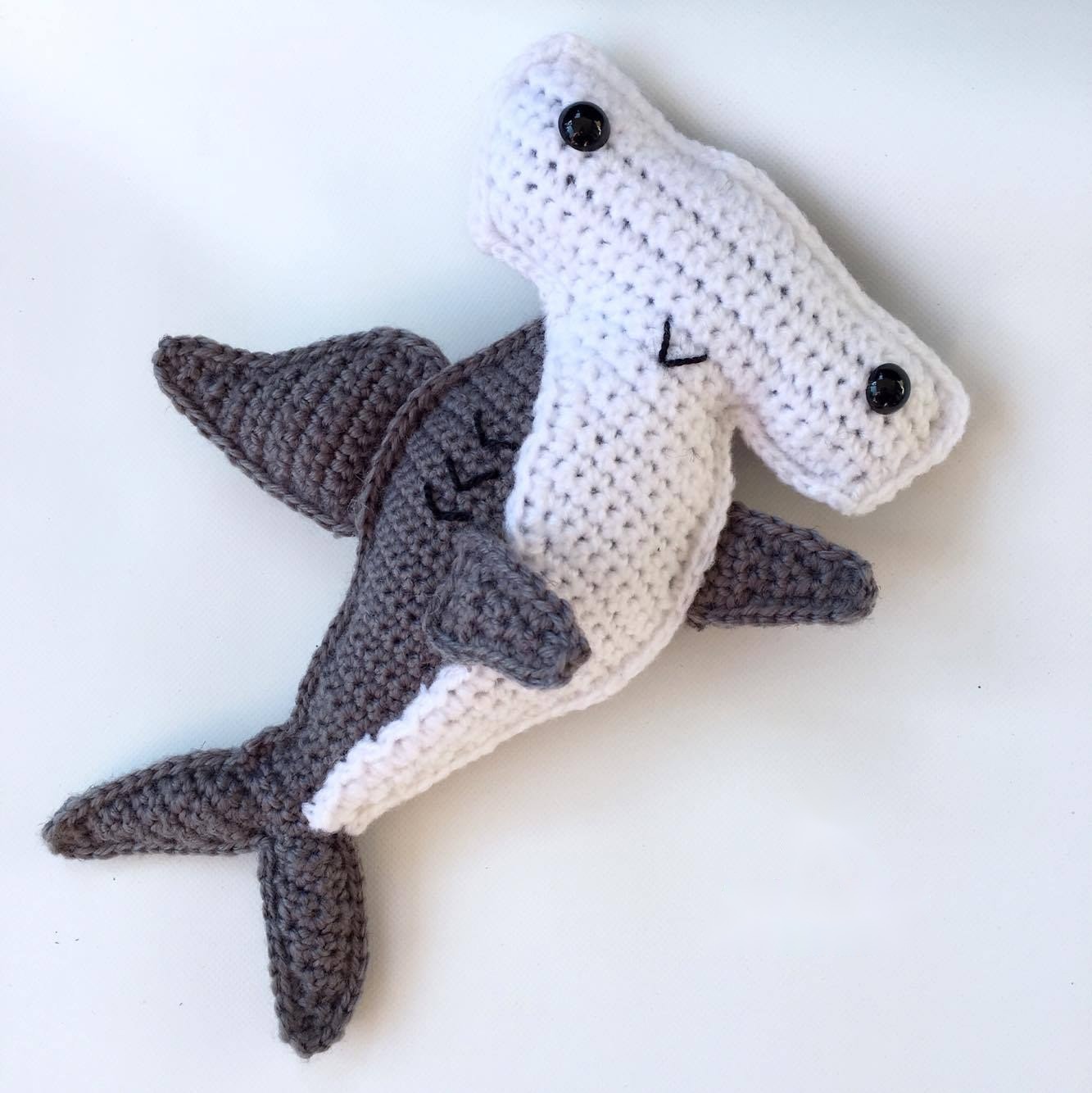
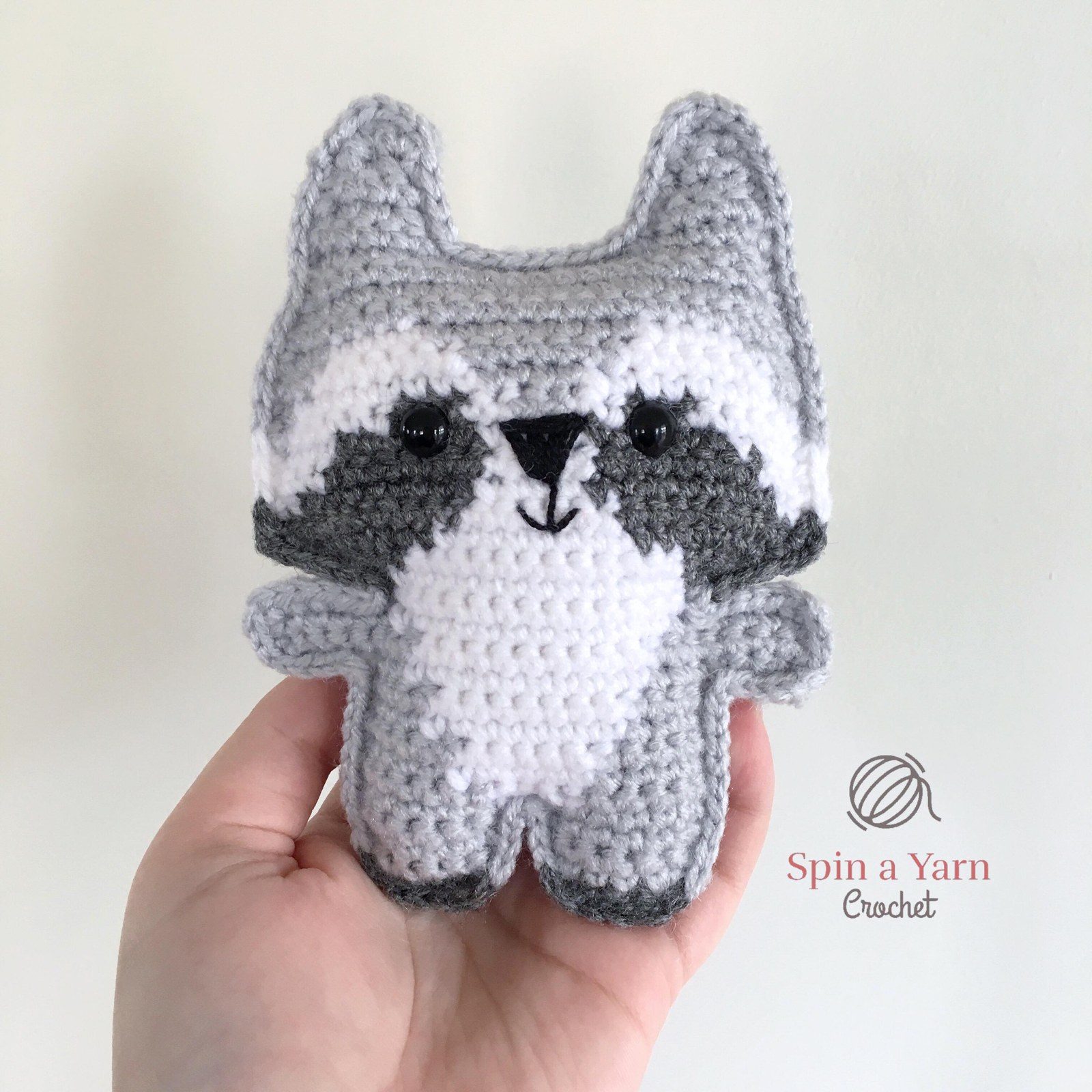
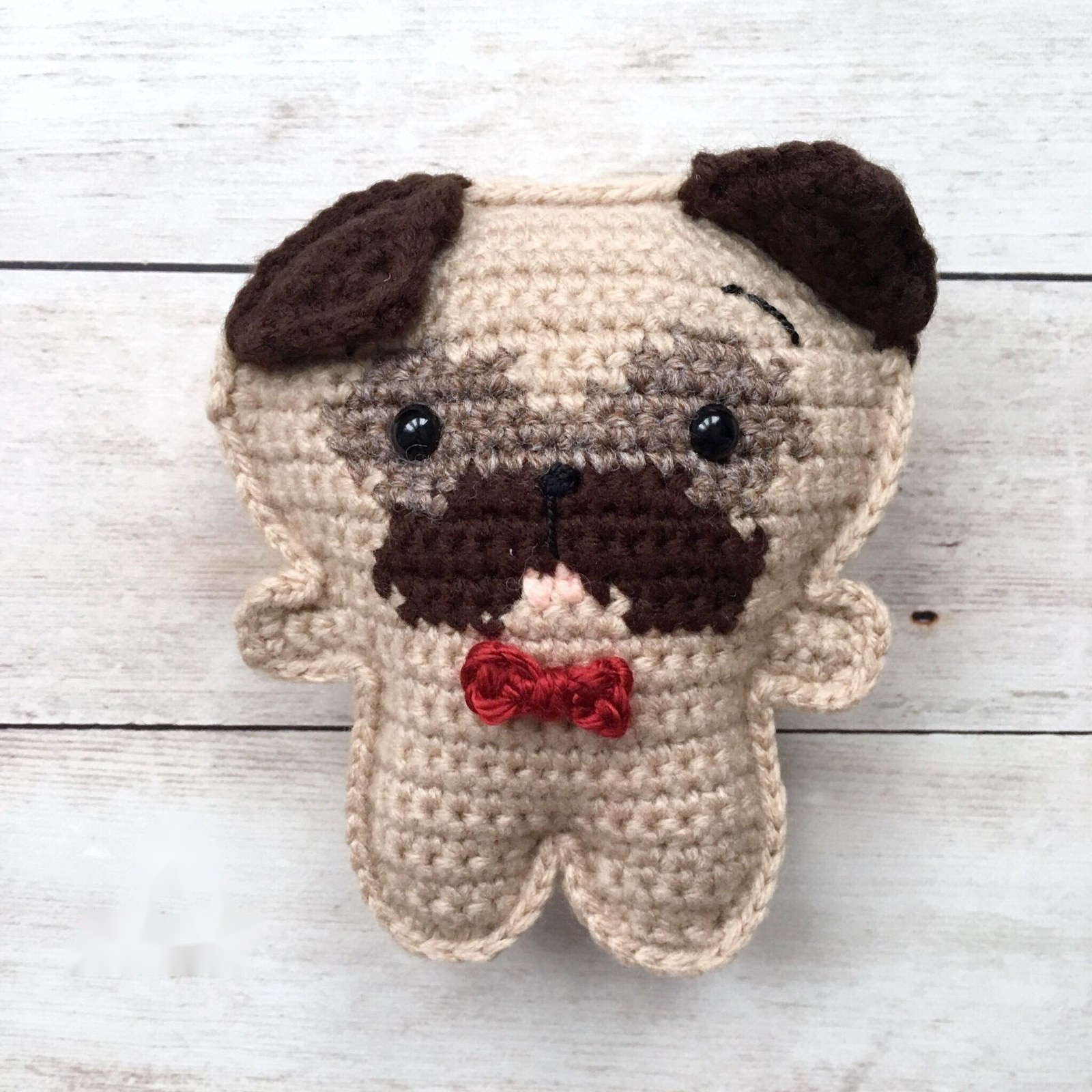
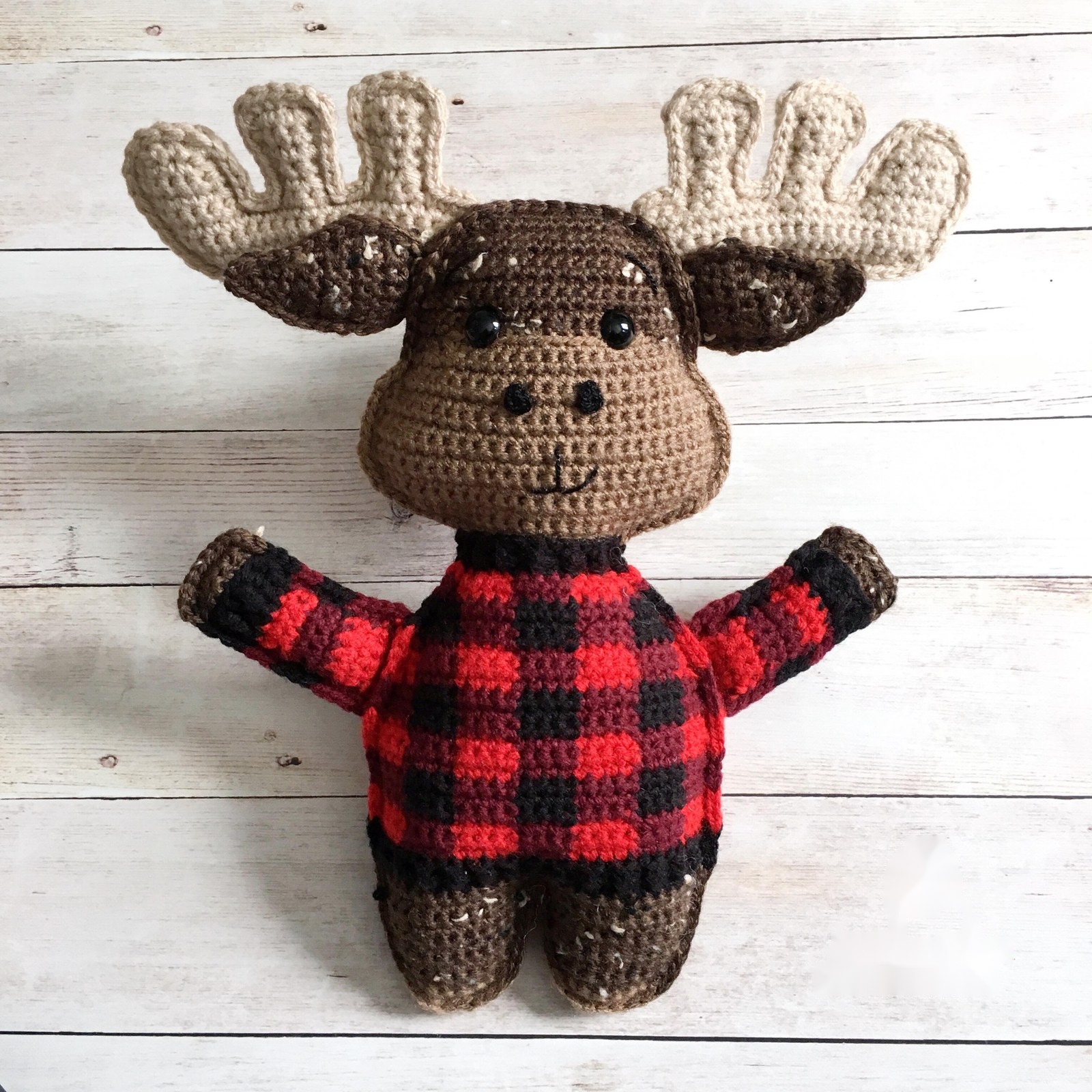
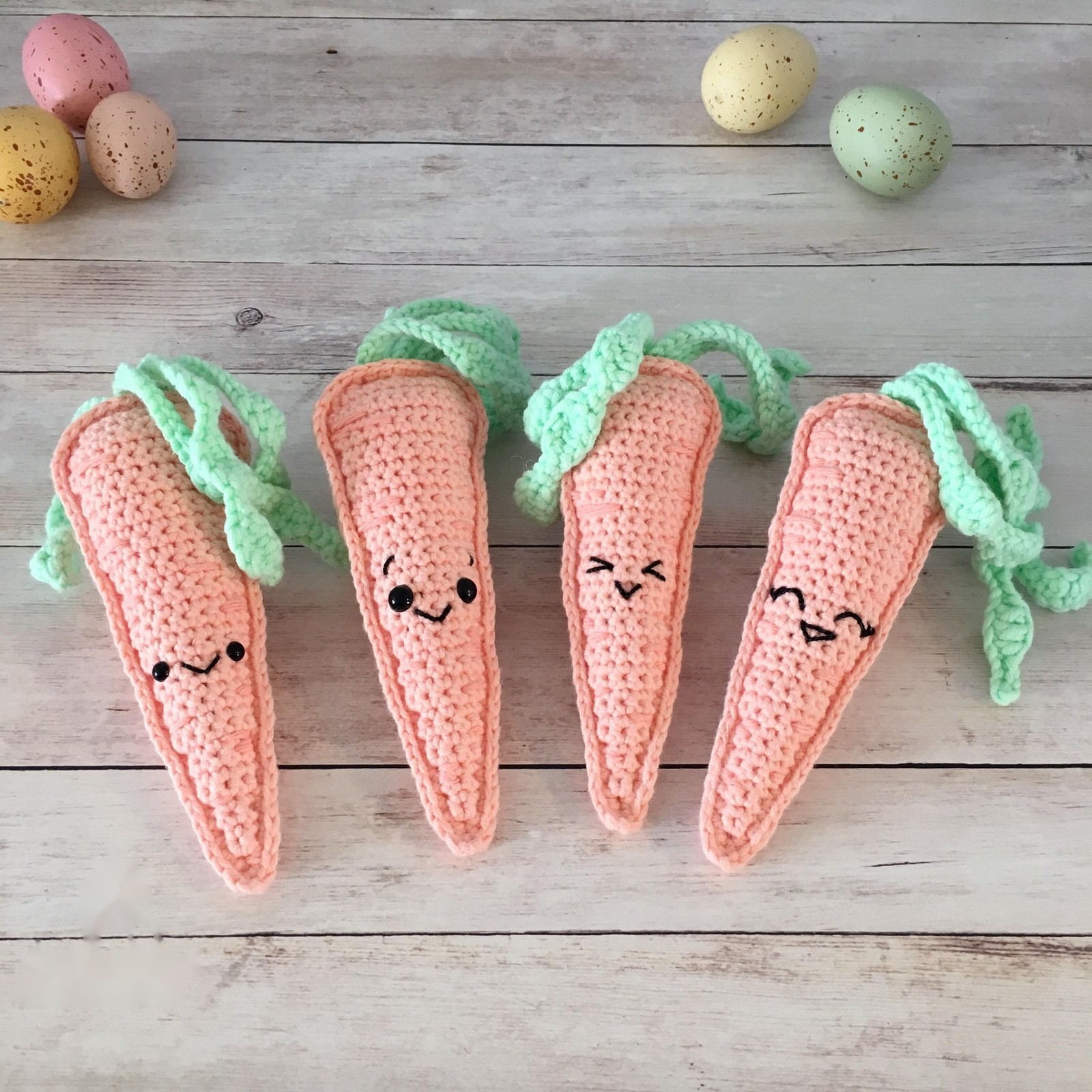
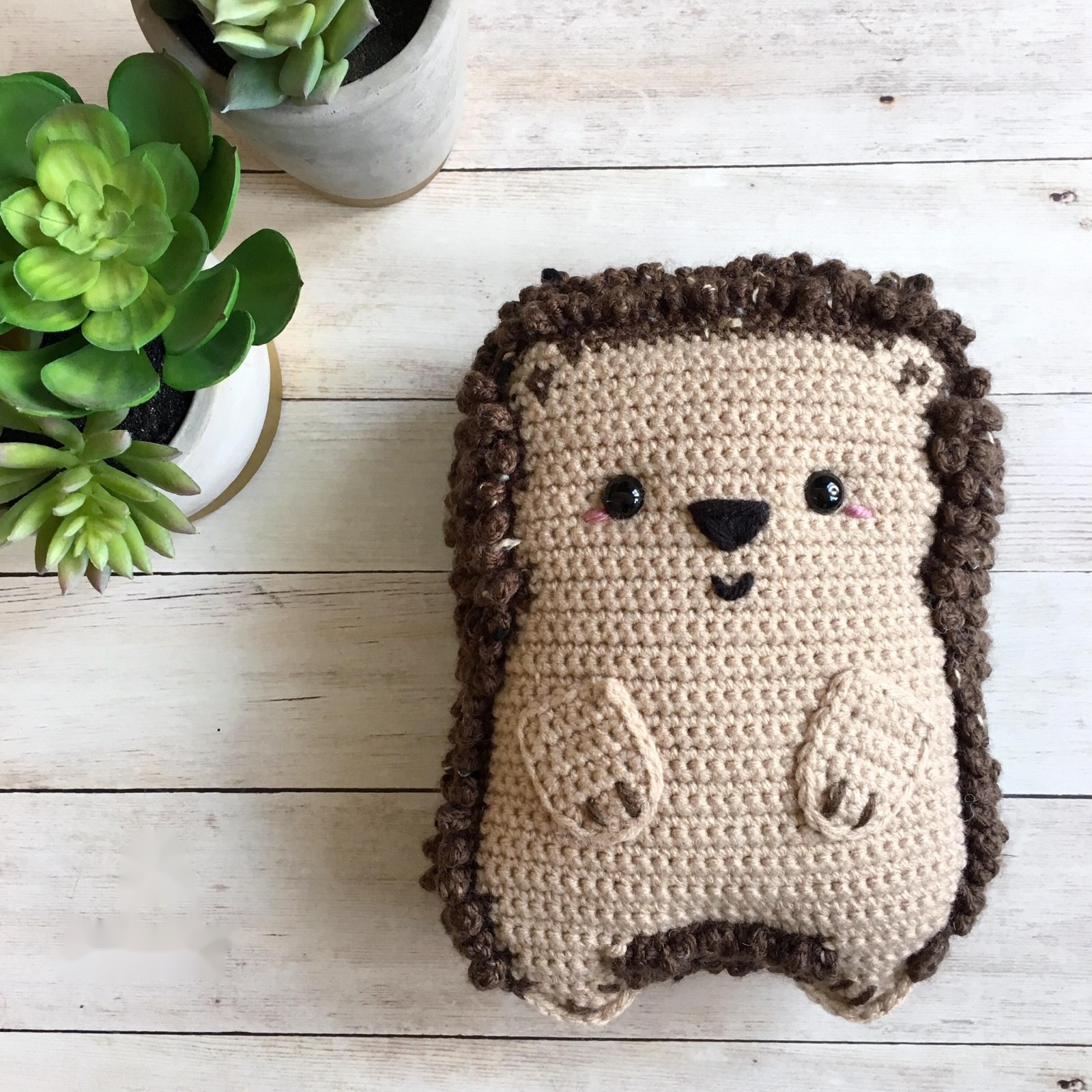
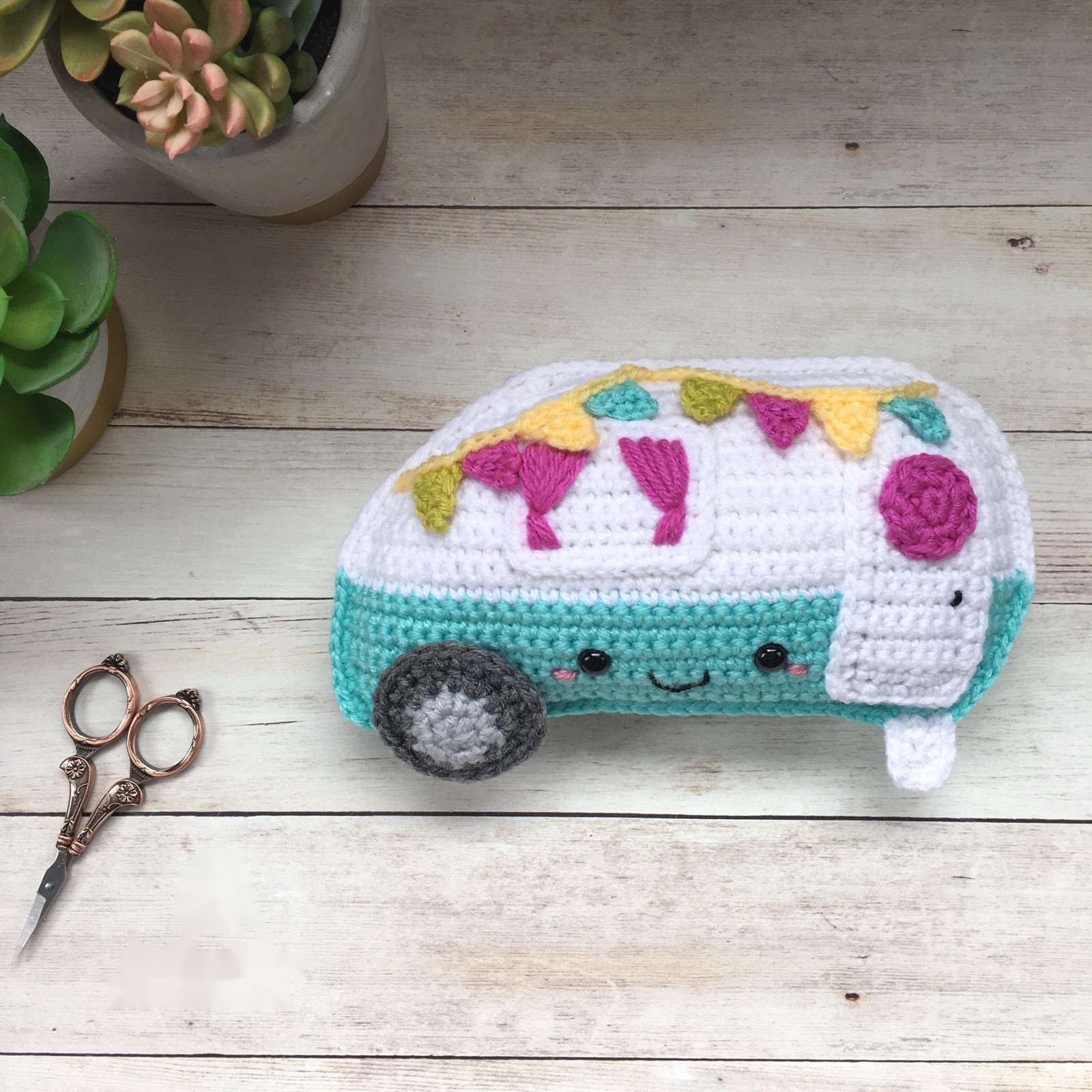
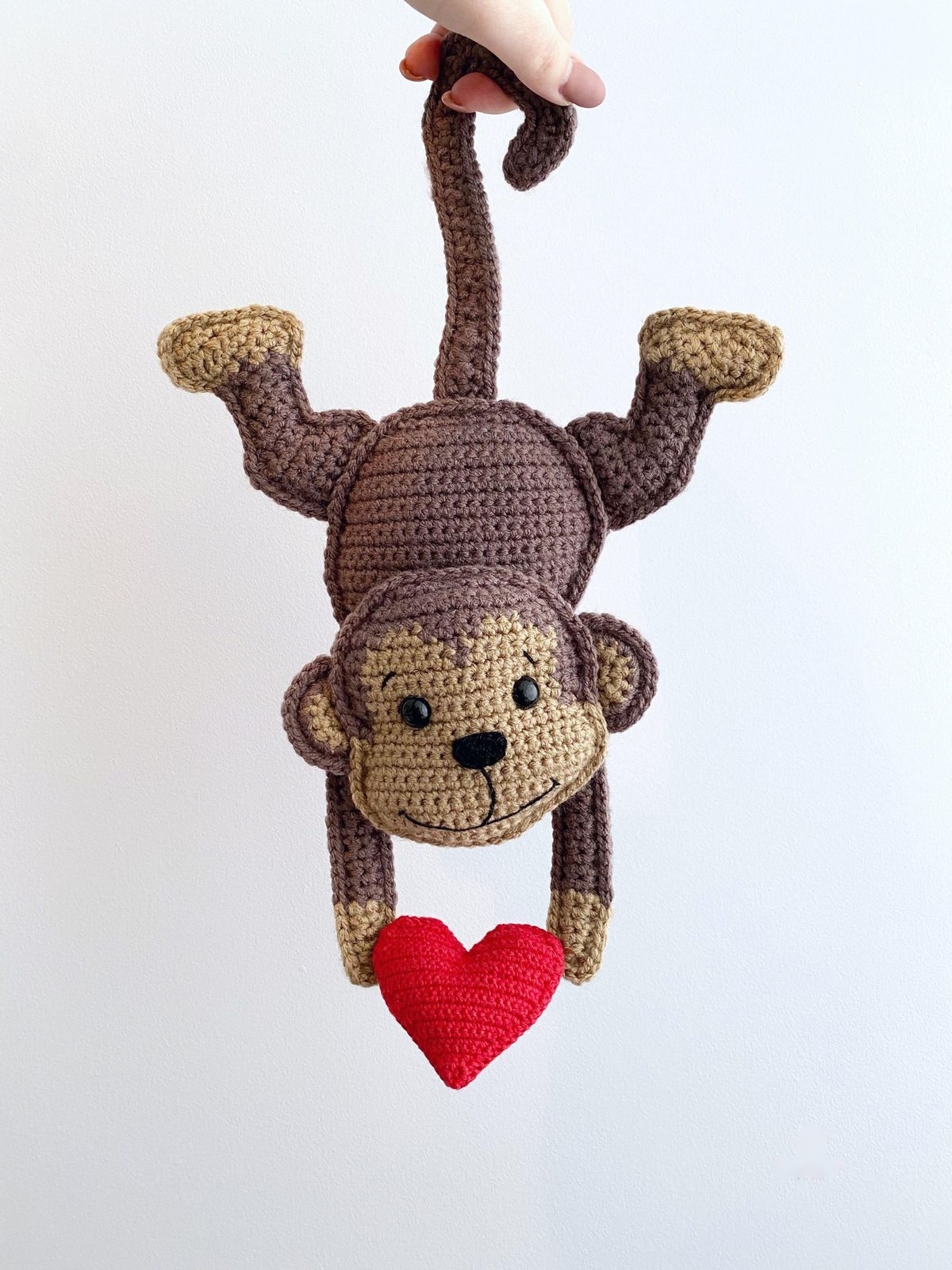
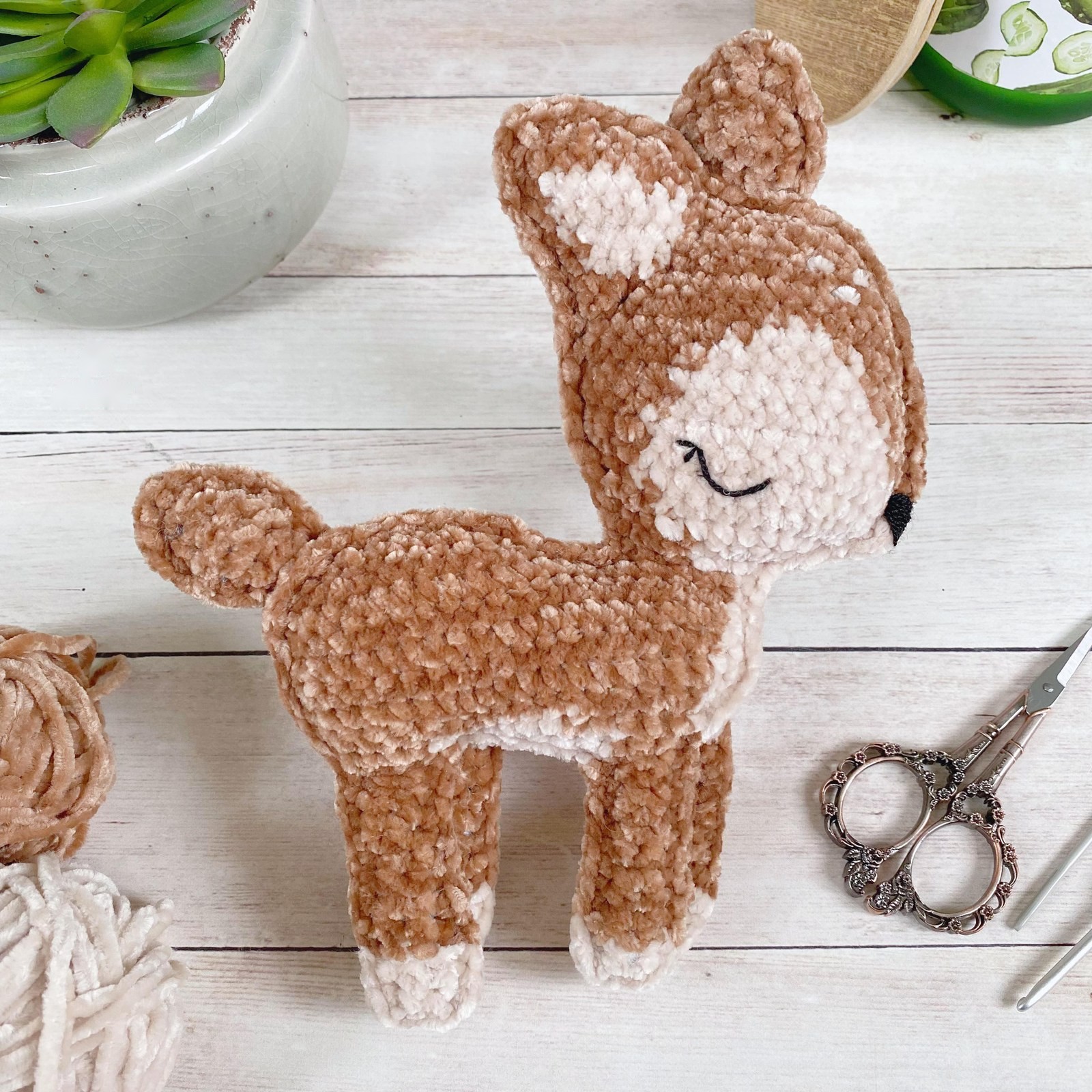
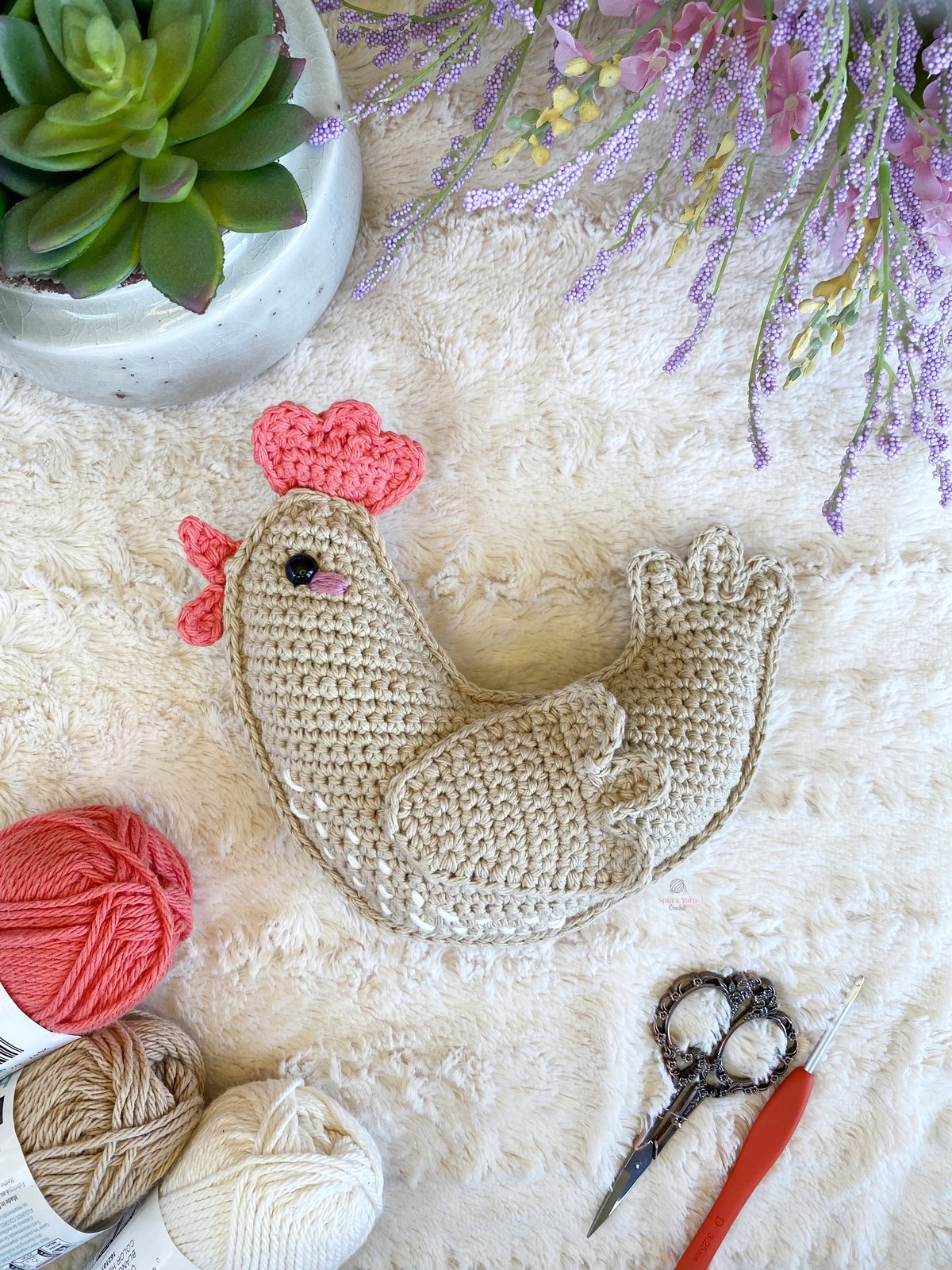
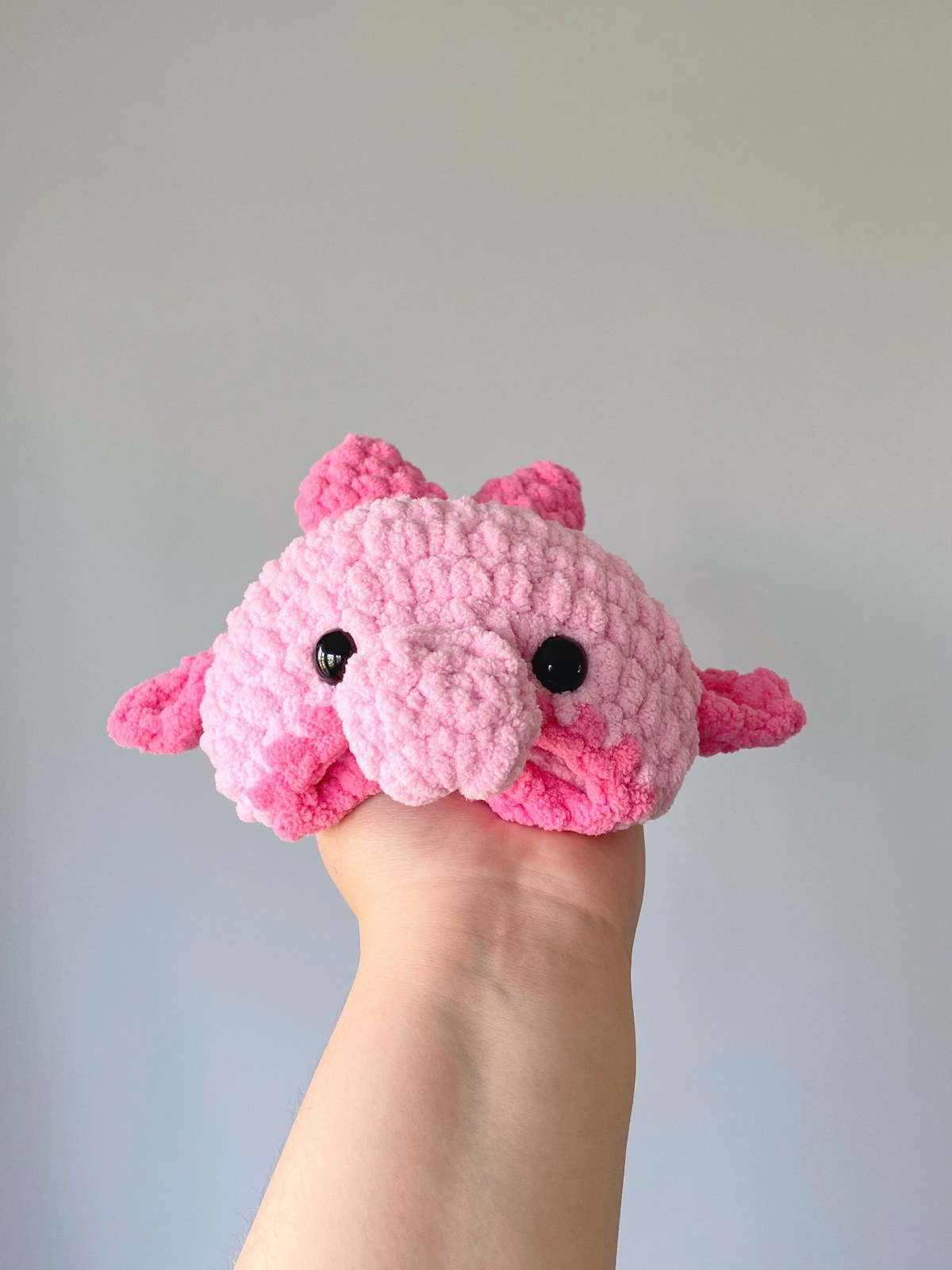
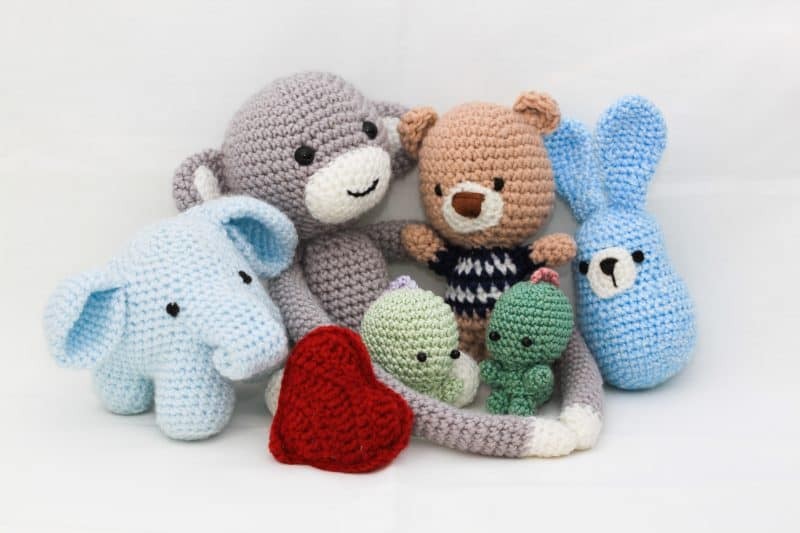
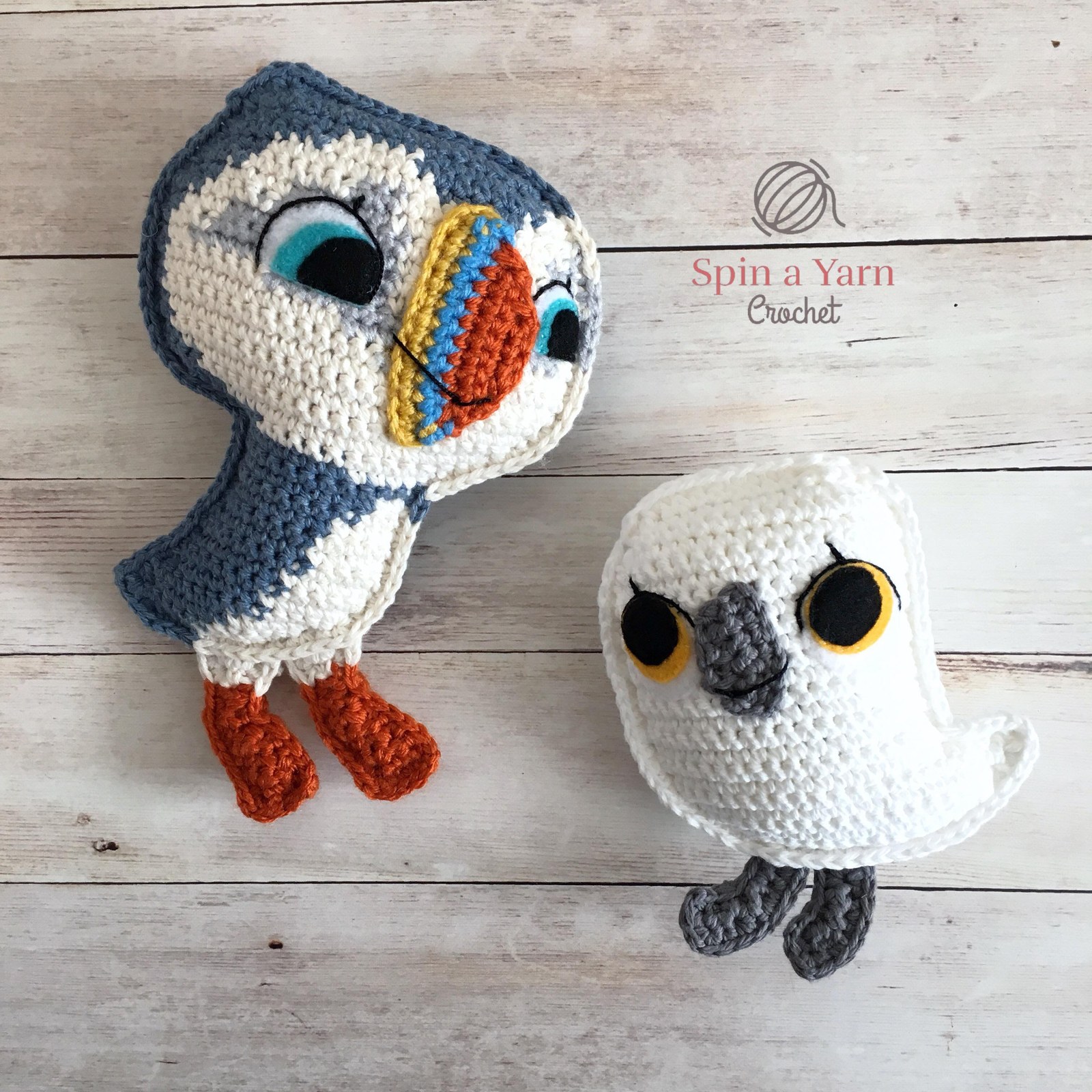
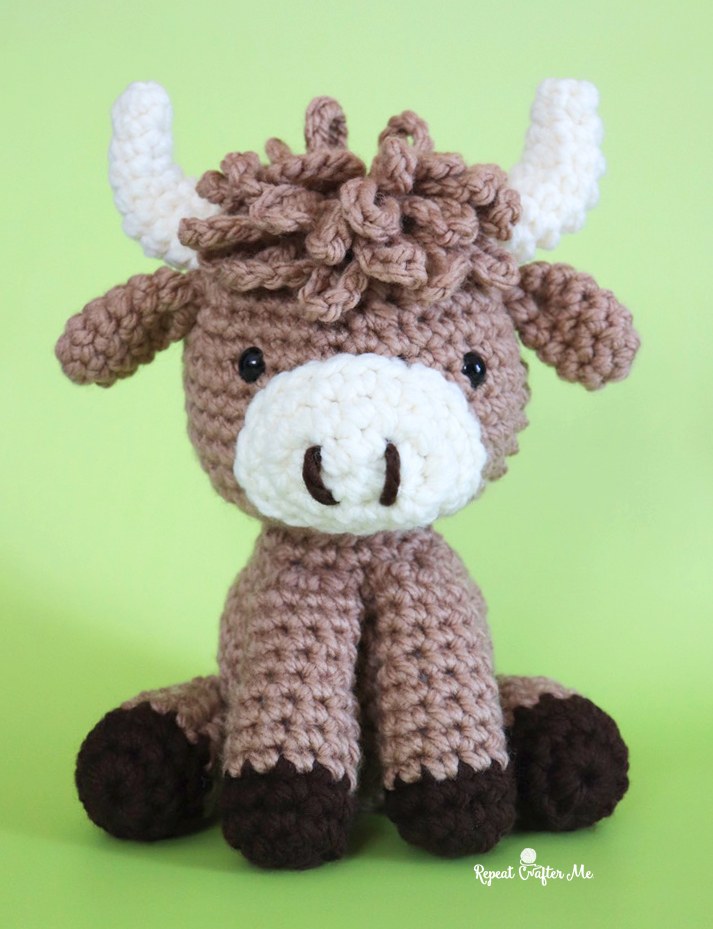
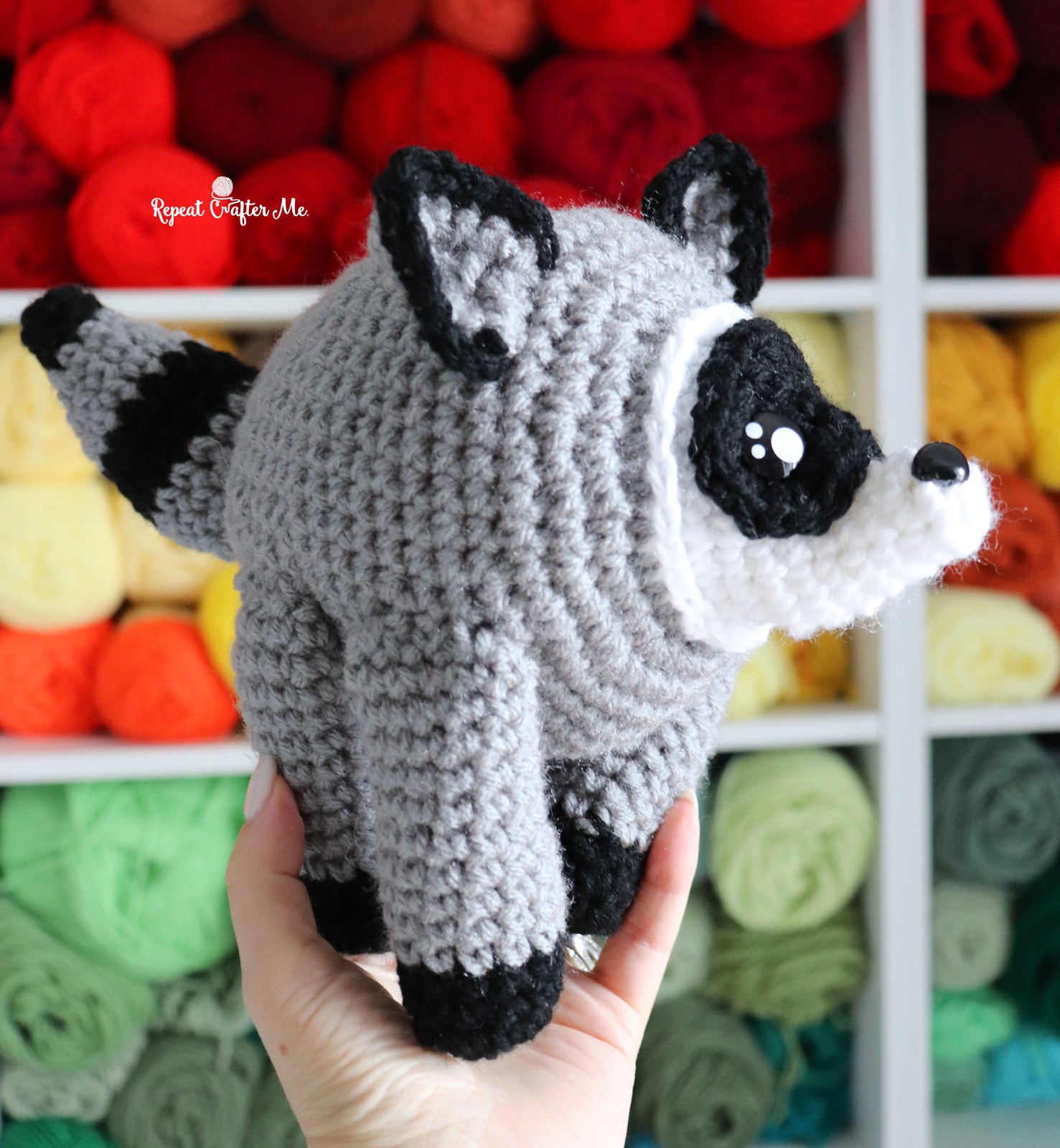
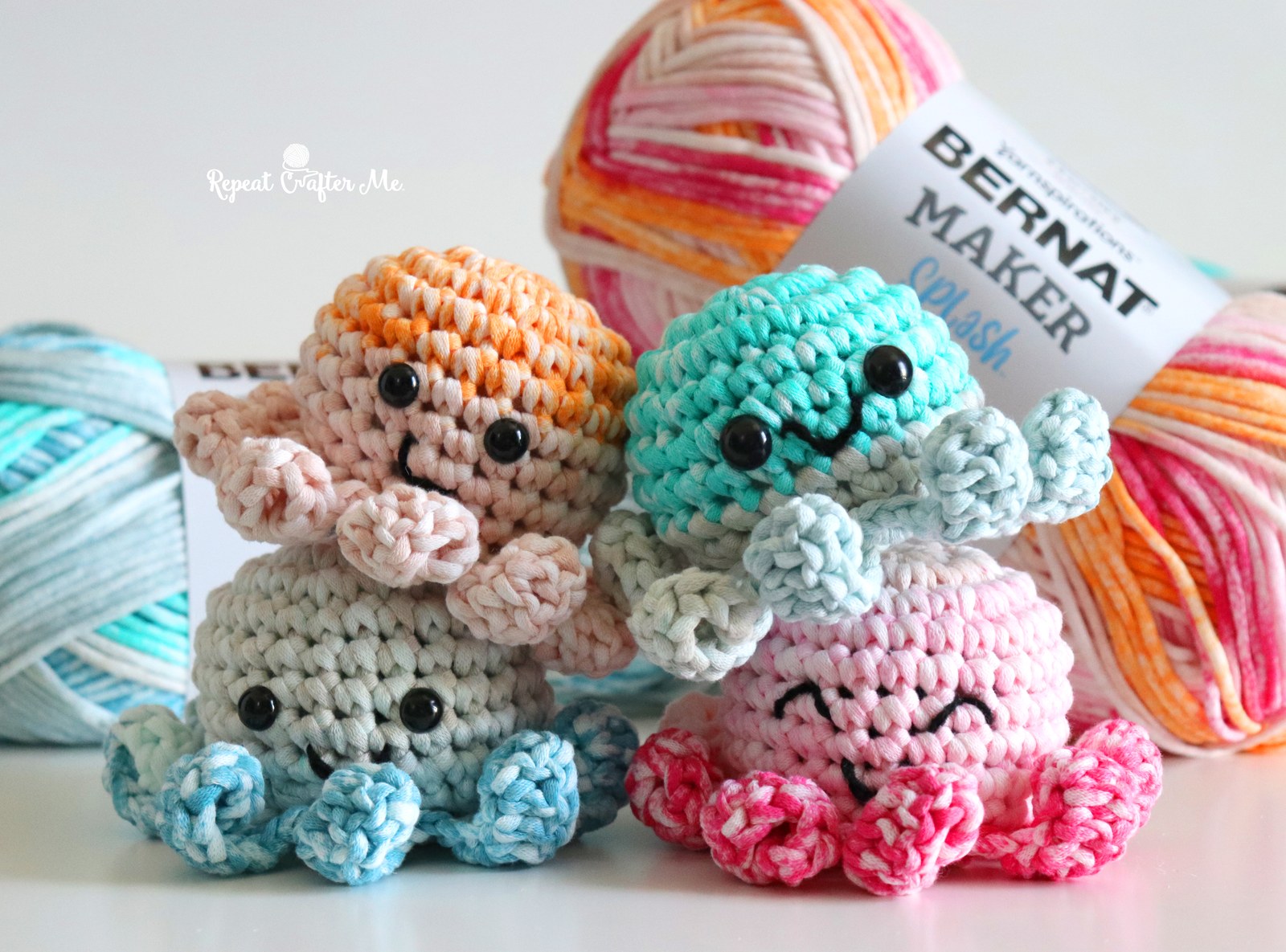
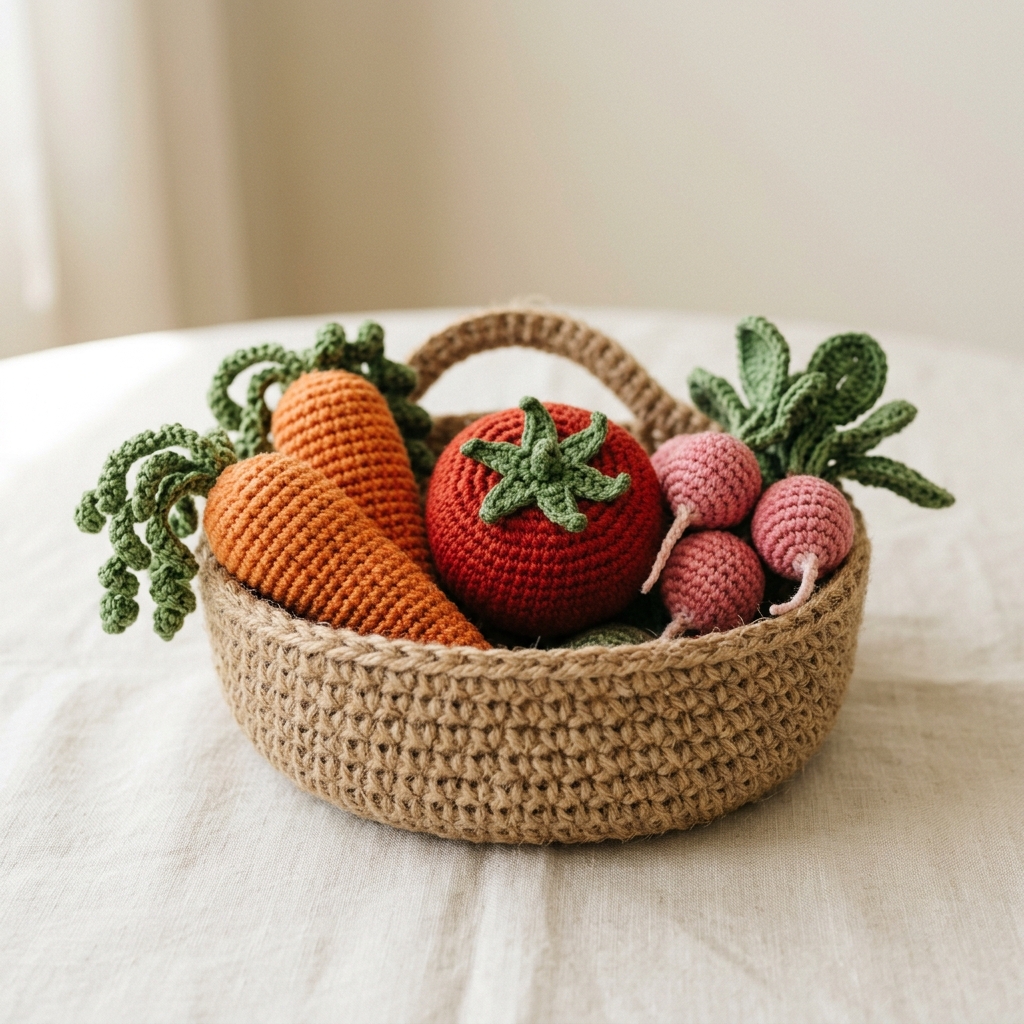
Discover adorable free amigurumi crochet patterns, crochet animals, woodland plushies, kawaii food charms, and ragdoll companions. Amigurumi crochet uses dense single crochet stitches and a magic ring crochet start to keep fiberfill stuffing invisible and sculpt smooth 3D shapes.

Yarn Selection & Gauge Calibration

For tight amigurumi stitches that prevent stuffing from peeking through, choose crochet hooks for beginners that are 0.5mm to 1.0mm smaller than the yarn label suggests (such as a 3.25mm or 3.5mm hook with worsted yarn). Smooth cotton and acrylic yarns offer crisp stitch definition for crochet plushies for beginners.

Technique Advice & Verified Stitches

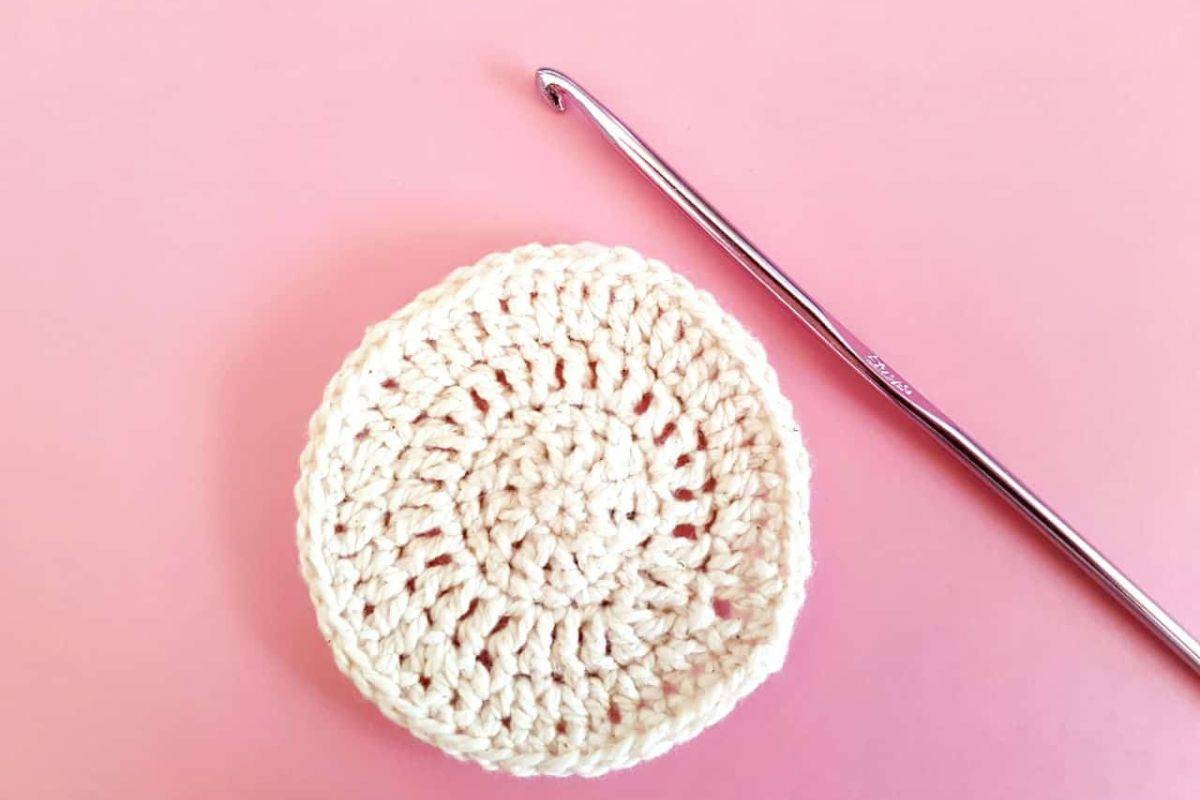
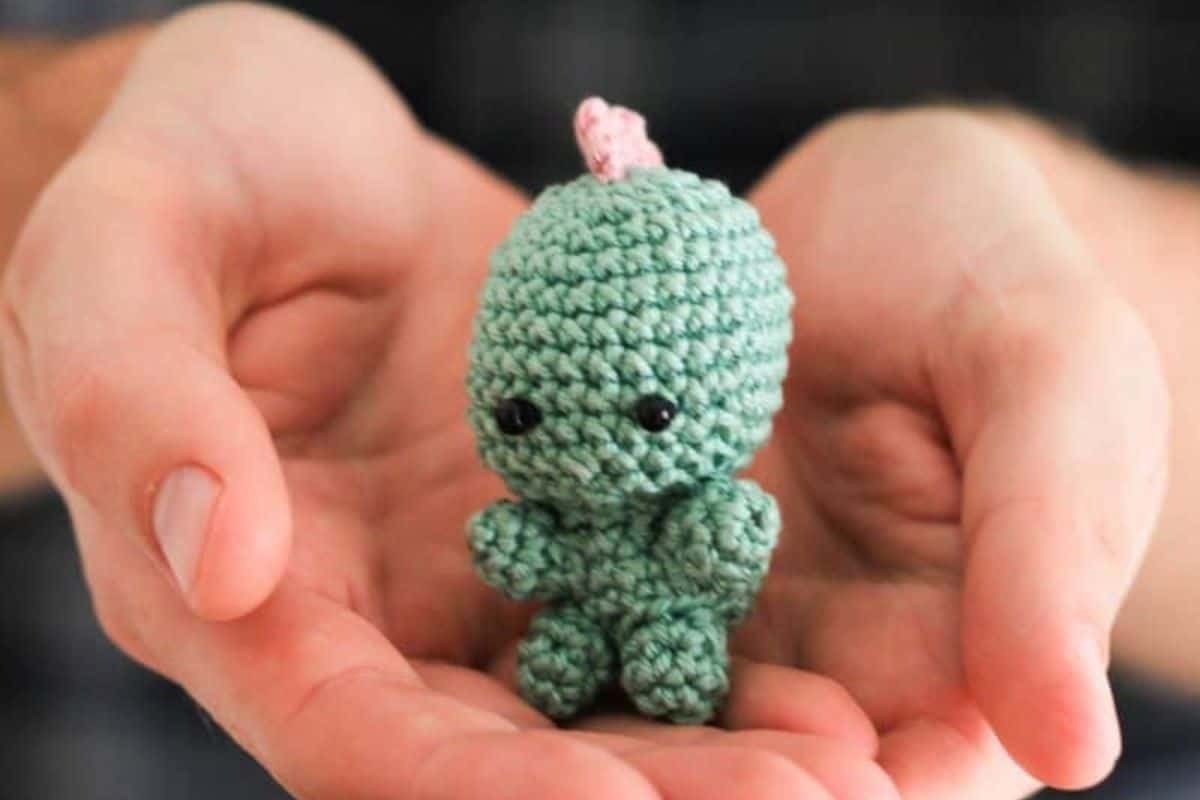
Always begin spherical pieces with an adjustable magic circle crochet (cercle magique / anillo magico) to eliminate the center gap. Use the invisible crochet decrease (invdec) by picking up only the front loops (crochet FLO) of two single crochet stitches together for seamless shaping.
Frequently Asked Questions About Amigurumi

How do I prevent holes from showing between my amigurumi stitches?

Holes usually occur from loose tension or using a crochet hook that is too large. Downsize your hook by 0.5mm to 1.0mm, maintain firm tension on the working yarn, and use the invisible decrease method instead of standard single crochet decreases.

What is the safest way to attach eyes to baby amigurumi toys?

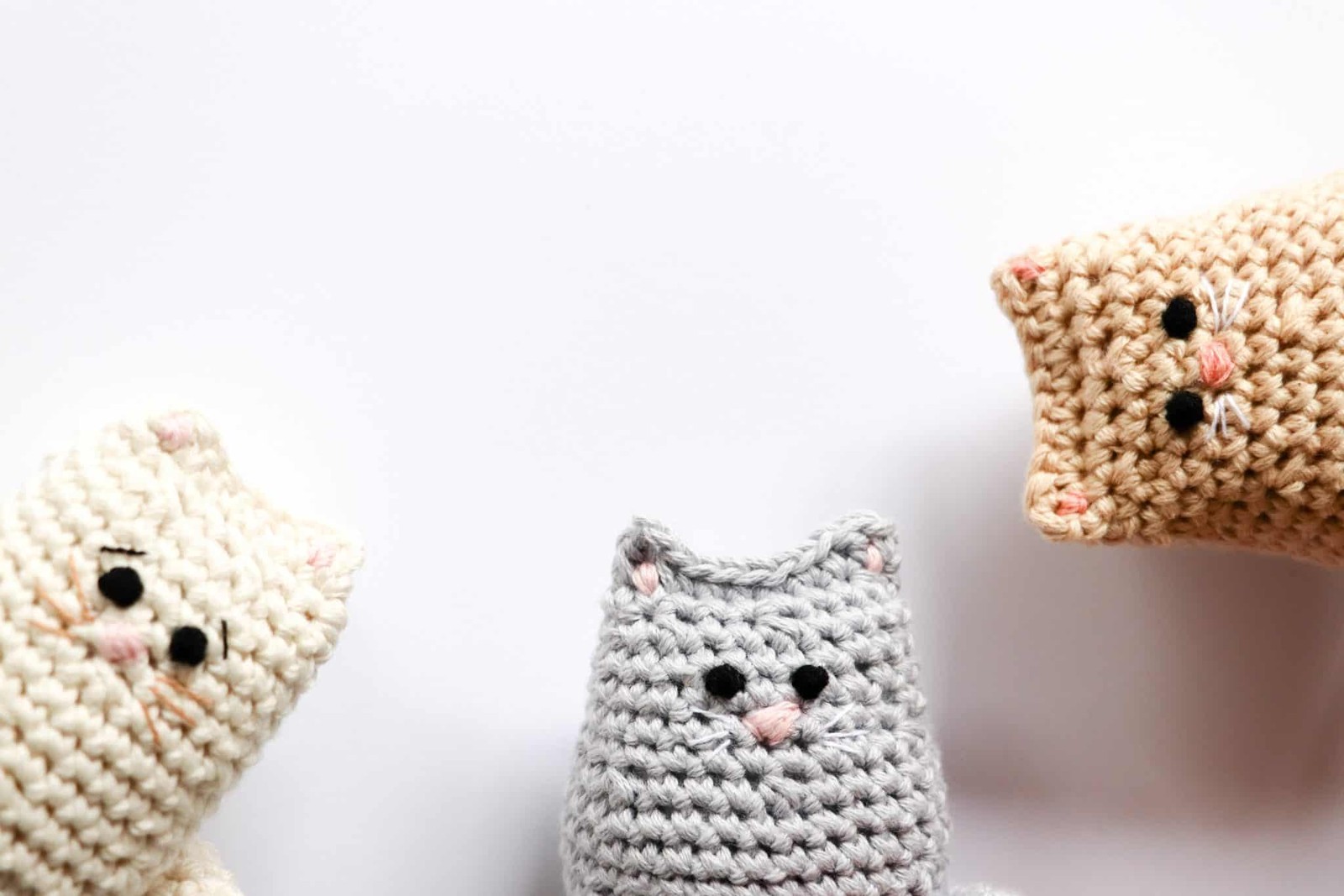
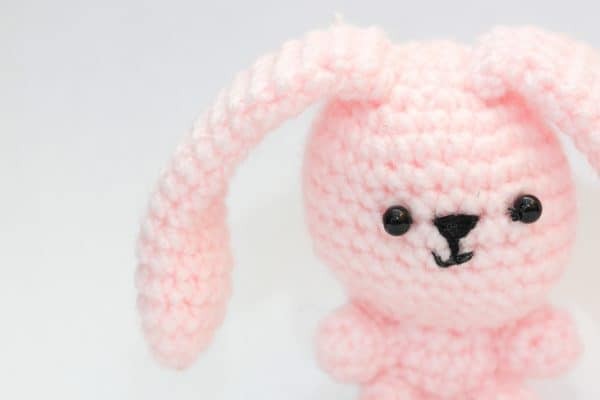
For toys intended for infants and children under three years old, safety eyes pose a choking risk. We recommend embroidering sleepy eyes, French knots, or smiling lashes directly onto the fabric using black embroidery floss.

What type of stuffing works best for amigurumi plushies?

Premium 100% polyester fiberfill provides the best balance of plush softness and structural resilience. Tear fiberfill into small tufts and insert gradually to avoid creating internal lumps.

Looking for printable editions? Browse our ad-free PDF catalog.Explore Printable PDF Masterclasses →