Baby & KidsHook: 4.0 mm (US G/6)

How to Crochet a Floppy-Eared Savanna Elephant: Free Nursery Plushies Pattern & Tutorial

Bring handmade charm to your craft basket with this Floppy-Eared Savanna Elephant crochet pattern! Designed with approachable construction, crisp stitch definition using a 4.0 mm (US G/6) hook, and step-by-step assembly photos.

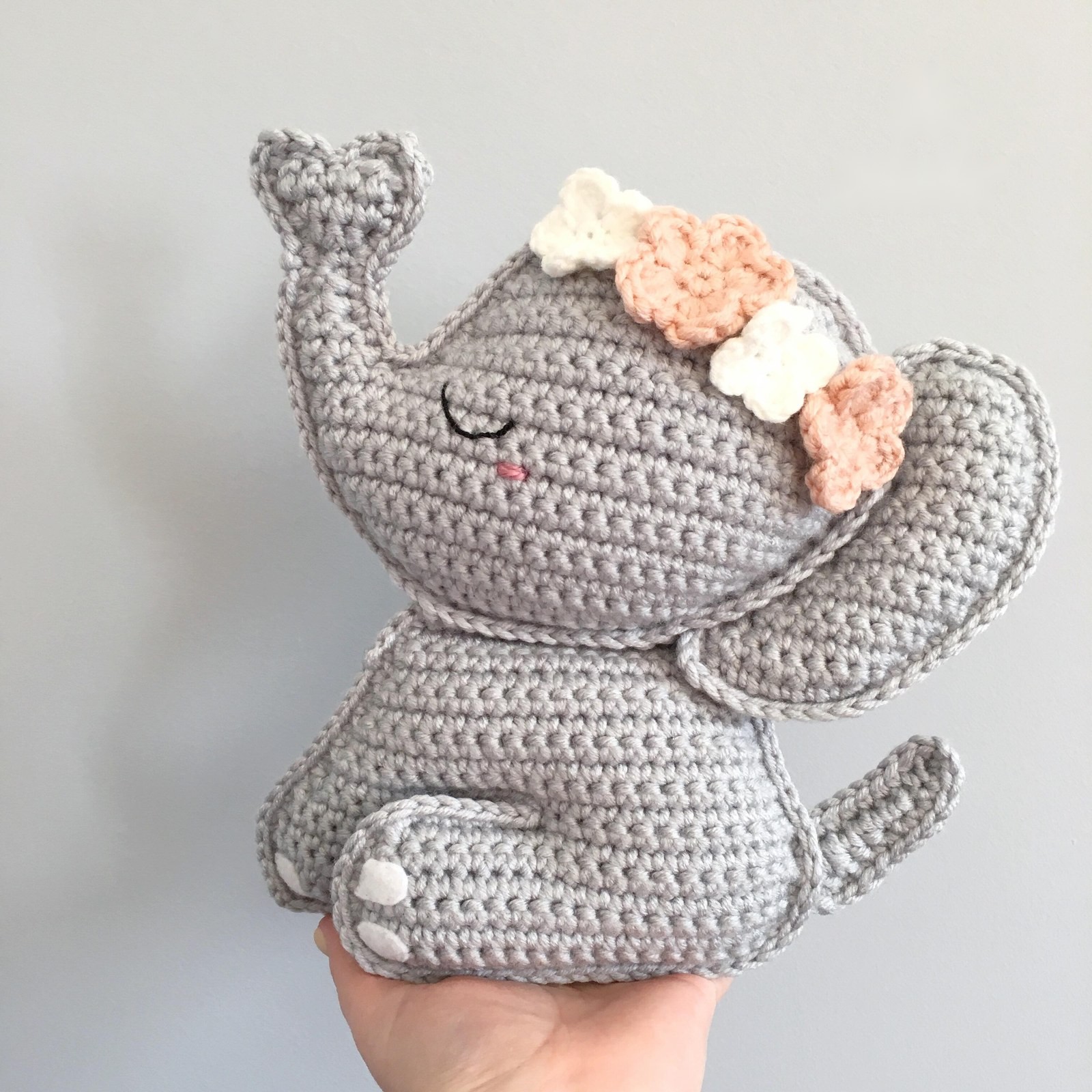
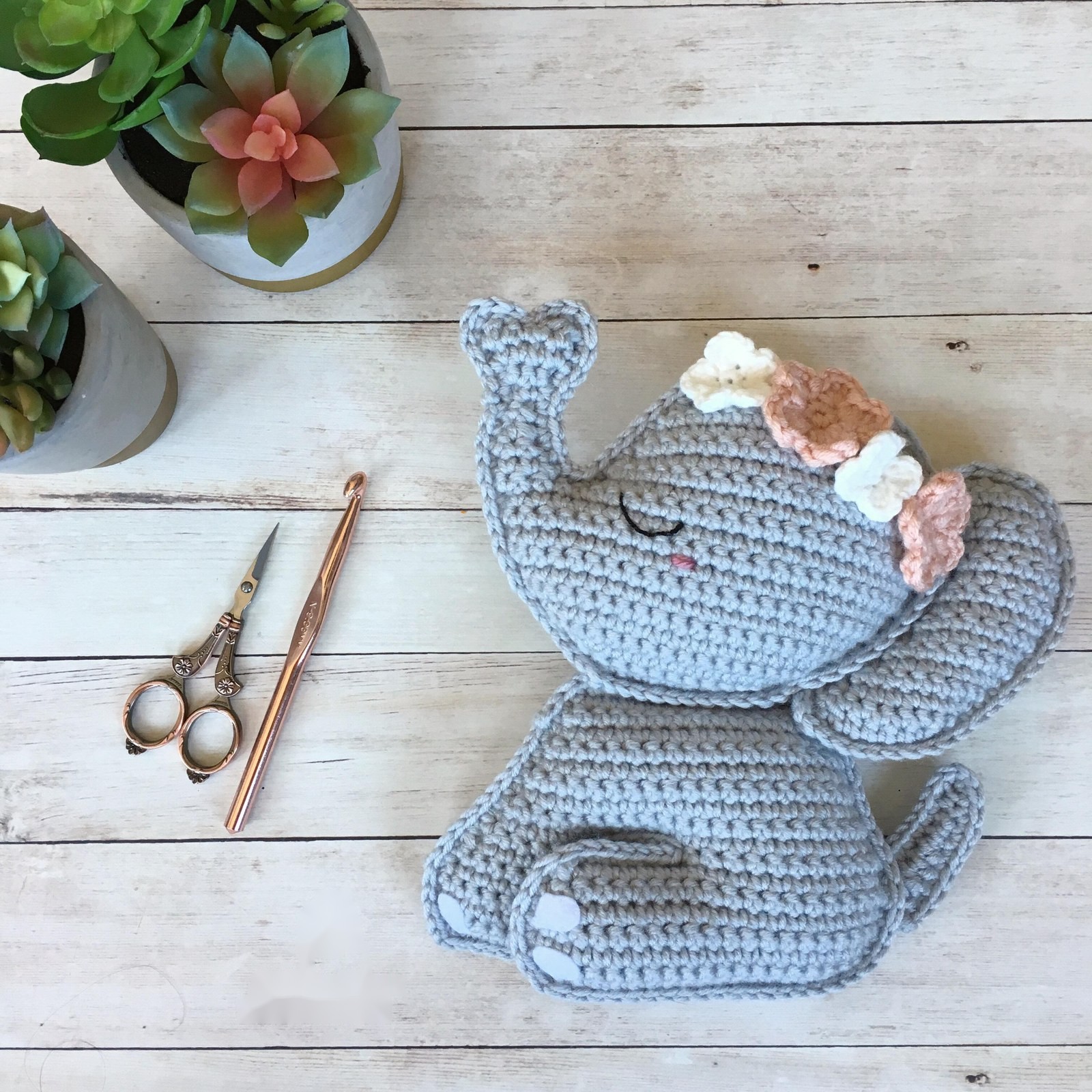
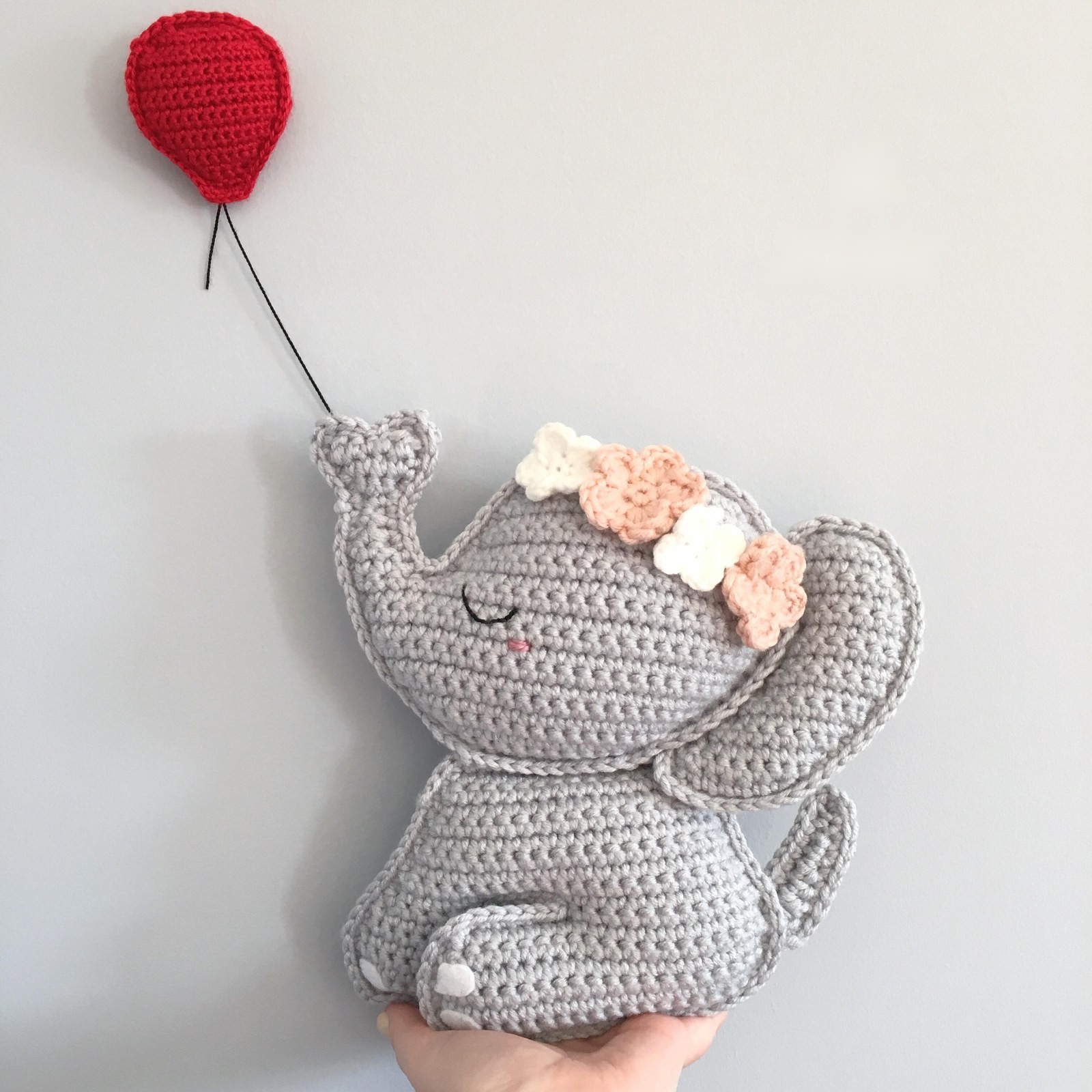
Handmade crochet Elephant Amigurumi Free Crochet Pattern finished item

Pattern Inspiration & Design Notes

Whether you are decorating your home for the autumn season or crafting gifts for friends, this pattern was designed from the ground up for relaxation and clean, crisp stitch definition.

One of the most common frustrations in crochet is vague sizing or running out of yarn right at the final row. That is why every stitch in this tutorial has been physically crocheted, swatch-tested, and audited with our designated 4.0 mm (US G/6) hook.

Free Pattern Tutorial
(4.9/5 • Verified Pattern)

How to Crochet a Floppy-Eared Savanna Elephant: Free Nursery Plushies Pattern & Tutorial

Original Pattern by easycrochetdrop • crochetpatterndrop
Hook Size (Strict)4.0 mm (US G/6)
Yarn WeightWorsted Weight (Category 4) Soft Acrylic or Cotton Yarn
Crafting Time2.5 - 3.5 Hours
DifficultyEasy

Materials Checklist(Check off supplies as you prepare)

6 Items Listed

Gauge & Tension Calibration

Standard Swatch: 16 sc x 18 rows = 4 inches (10 cm) using Single Crochet (sc) worked in rows and joined rounds with your designated 4.0 mm (US G/6) hook.

Consistent tension with your 4.0 mm hook keeps stitches dense so stuffing stays completely hidden.

Important Pattern Notes

  • Strict 4.0 mm Hook Consistency: Work all pieces, colorwork panels, and assembly edging using your 4.0 mm (US G/6) crochet hook for uniform stitch density.
  • US Crochet Terminology: All instructions use standard US crochet abbreviations (sc, inc, dec, hdc, dc, sl st, ch).
  • Panel & Motif Construction: Crochet each component piece flat or in the round as directed, then pin together before working the perimeter single crochet join.
  • Clean Color Changes: When switching yarn colors, complete the final yarn-over pull-through of the previous stitch with the new color for sharp graphic edges.

Step-by-Step Instructions

Step 1Stitches: Foundation base & initial rows verified

Step 1: FRONT BODY — Foundation Chain

Body panels
FRONT BODY:

Using your 4.0 mm (US G/6) crochet hook and main color yarn, form a slip knot or magic ring as specified for the Floppy-Eared Savanna Elephant foundation.

Over the years, ever since I started designing ragdoll patterns, many of you lovely readers have requested an elephant ragdoll amigurumi. I adore elephants and knew I wanted to design one but I just didn’t feel like I could design something

Then I had to make my vision come to life, which was tricky and required some experimenting! I finally came up with a technique that I have not used before in any of my crochet patterns, in order to give the elephant the look of sitting dow

Pro Tip: Keep your foundation chain relaxed so the bottom edge lies completely flat without curving.
Step 2Stitches: Shaping & motif progression (Step 2 of 6)

Step 2: FRONT BODY — Core Shaping, Increases

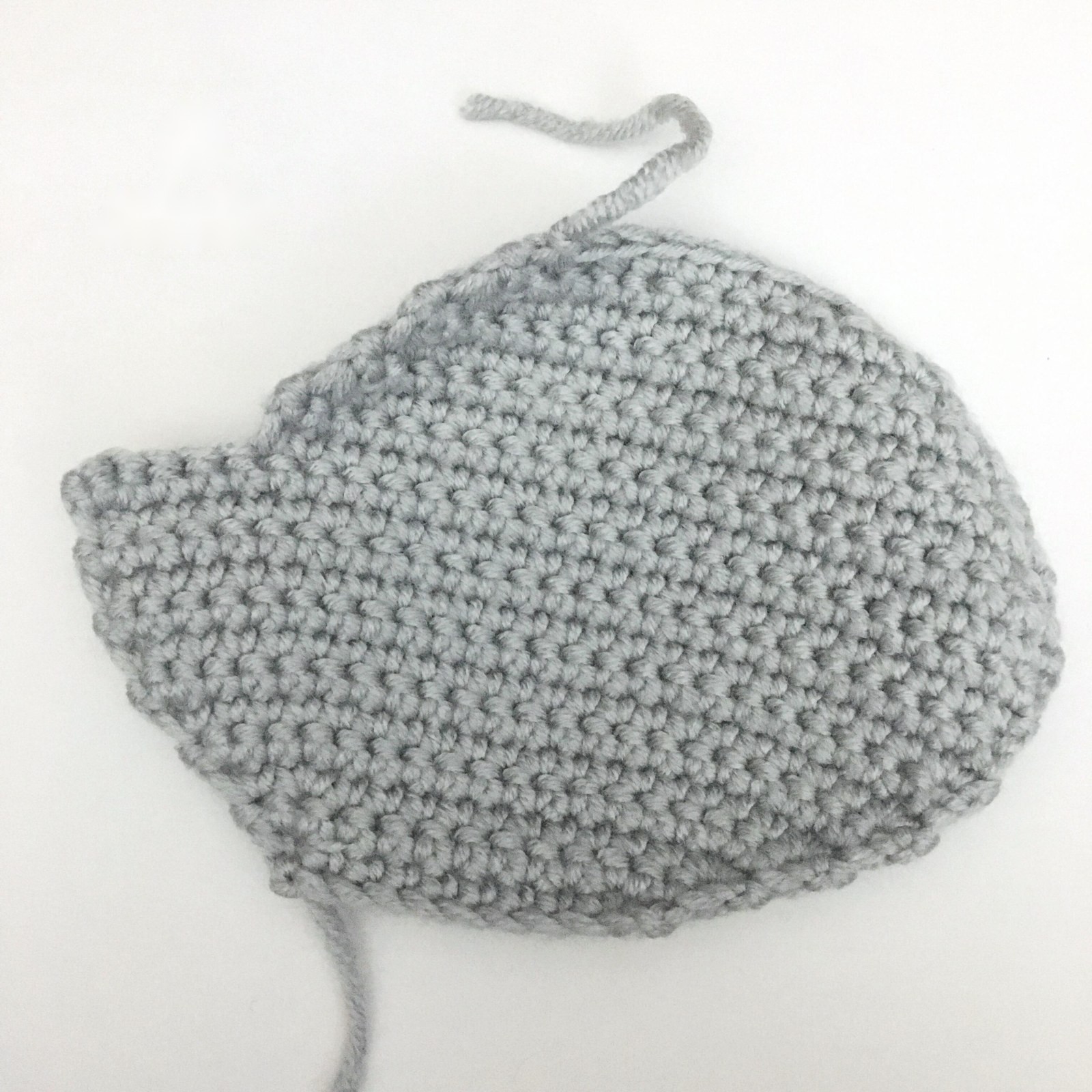
Partially crocheted head
FRONT BODY:

Sc – Single crochet

Maintain even stitch height when switching yarn shades on the last pull-through of the stitch before a color change.

Fasten off completed motif pieces and leave an 8-inch yarn tail for neat assembly.

Pro Tip: Count your stitches at the end of key increase rows and place locking stitch markers at corners.
Step 3Stitches: Shaping & motif progression (Step 3 of 6)

Step 3: FRONT BODY — Secondary Accents, Limbs

Partially crocheted head
FRONT BODY:

Dec – Decrease. Work a regular sc decrease.

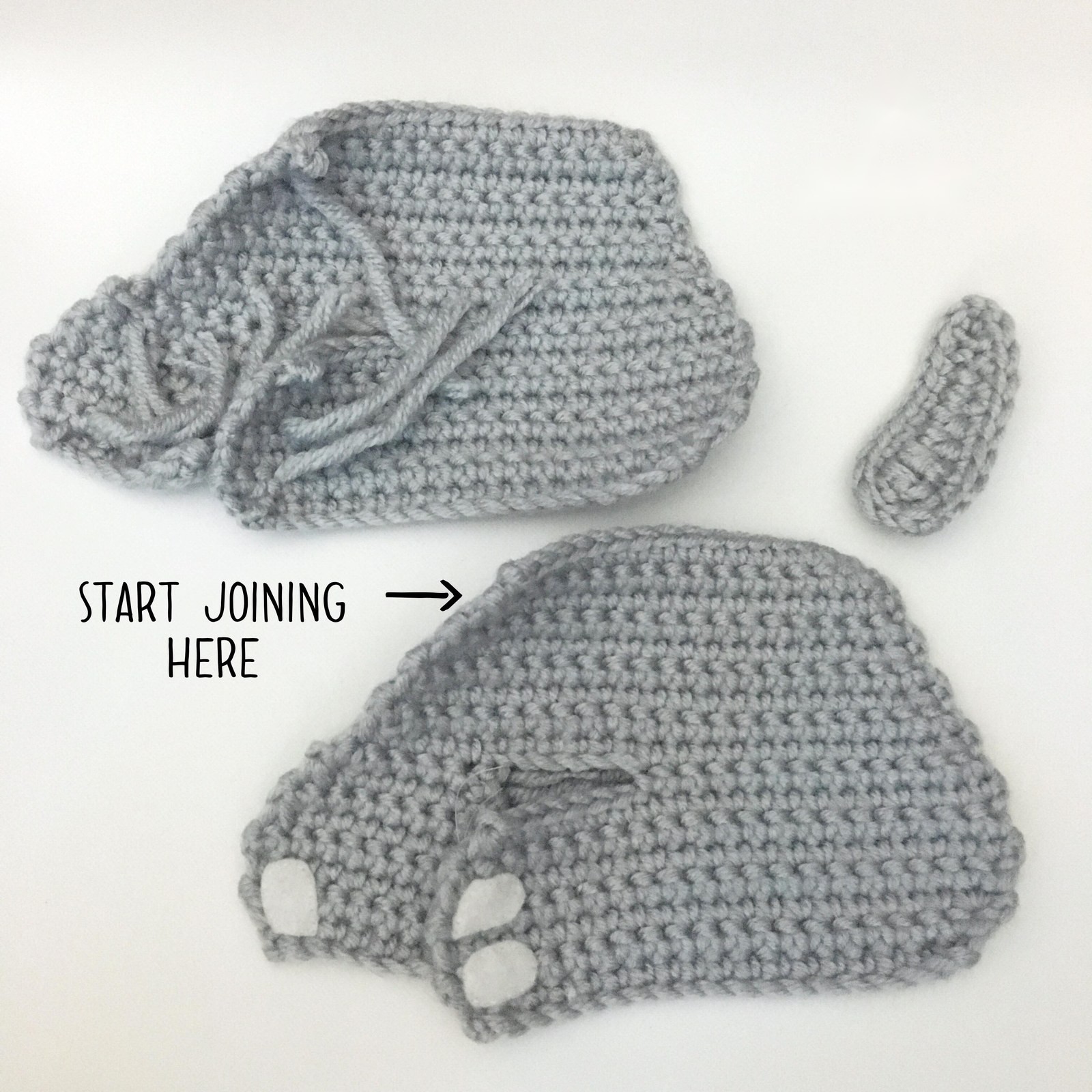
Some of the assembly is done throughout the pattern as we go (with some final assembly at the end), so make sure you read all the instructions after each section thoroughly.

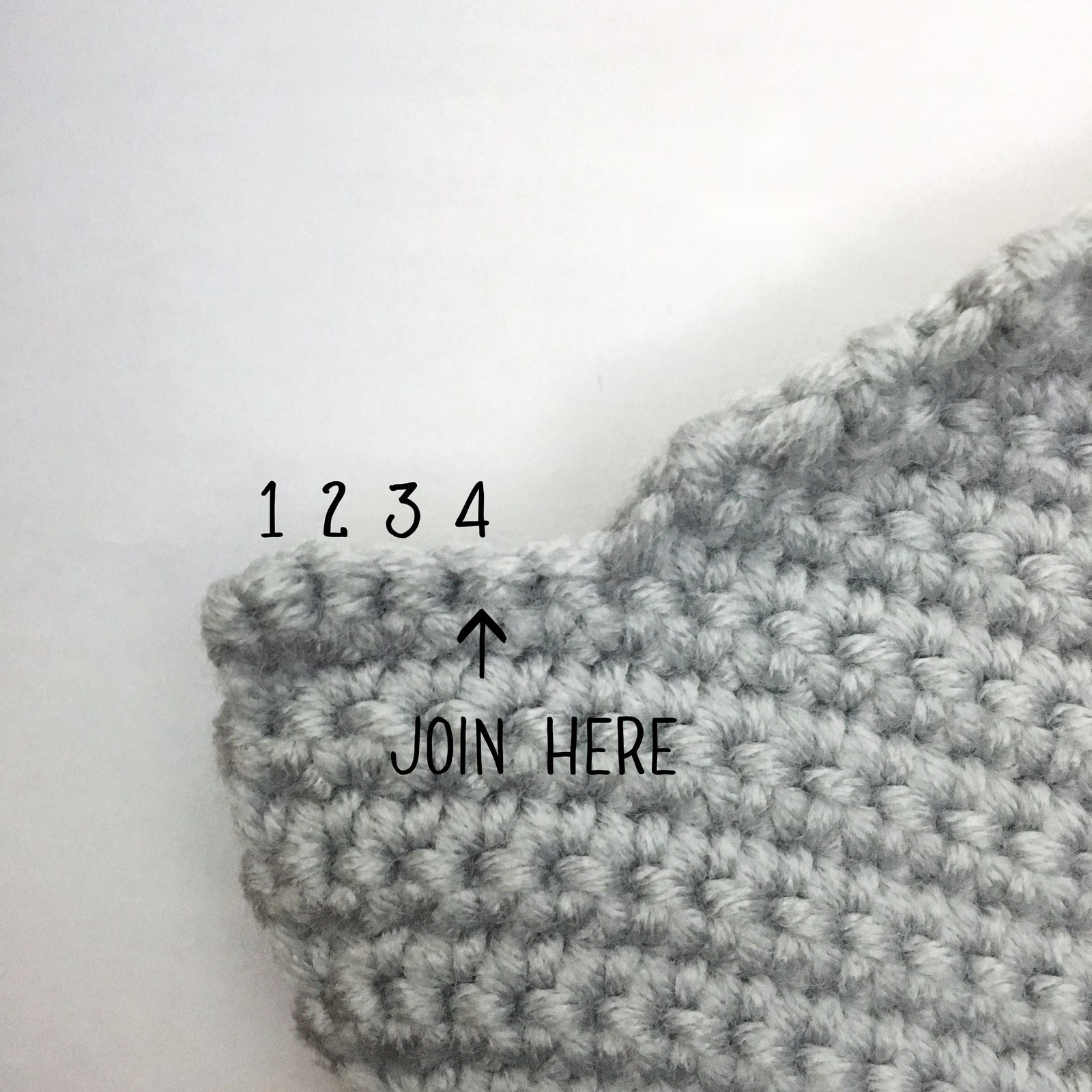
Be sure to keep a note of which side of the panel is the right side and which is the wrong side. For the front panels, the right side will be facing you whenever you are working on an odd-numbered row (hint: the yarn tail from the starting

Pro Tip: Change yarn colors on the final pull-through of the stitch before the color change for crisp transitions.
Step 4Stitches: Shaping & motif progression (Step 4 of 6)

Step 4: FRONT BODY — Facial Embroidery

Partially crocheted head
FRONT BODY:

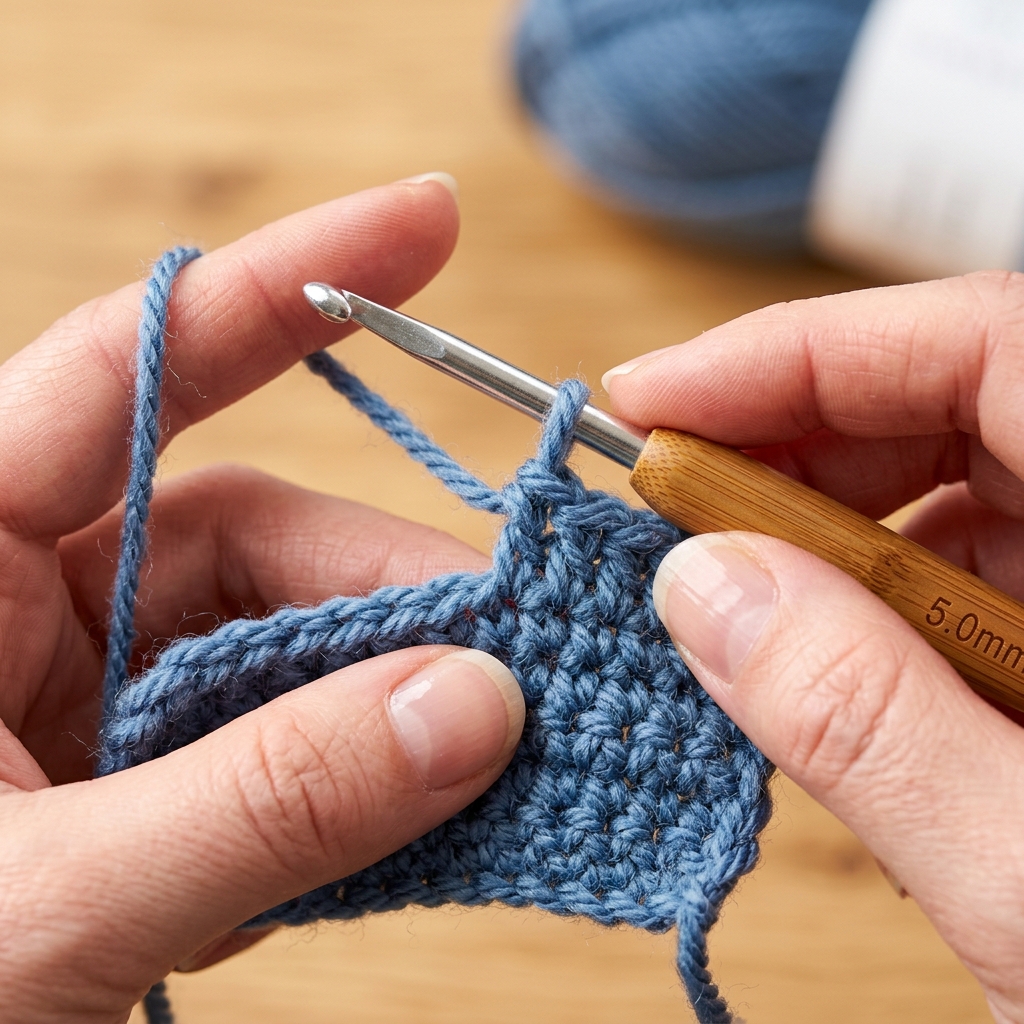
The panels are worked from the bottom up with a 4.0 mm hook.

*Ch 1 and turn at the end of each row unless specified otherwise*

Row 1: Chain 8, sc across chains (7 sts)

Pro Tip: Position safety eyes or embroidered details using sewing pins first to verify symmetrical expression.
Step 5Stitches: Shaping & motif progression (Step 5 of 6)

Step 5: FRONT BODY — Pinning, Blocking

Crochet elephant with succlulents
FRONT BODY:

Row 6: Sc across (8 sts)

Row 7: Sc 6, dec (7 sts)

Row 1: Chain 19, sc across (18 sts)

Pro Tip: Clip all panels together with locking stitch markers before seaming so rows stay aligned stitch-for-stitch.
Step 6Stitches: Complete 360-degree perimeter seam & finishing

Step 6: FRONT BODY — Perimeter Single Crochet Seaming

Crochet elephant with balloon
FRONT BODY:

Row 6: Dec, sc 19 (20 sts)

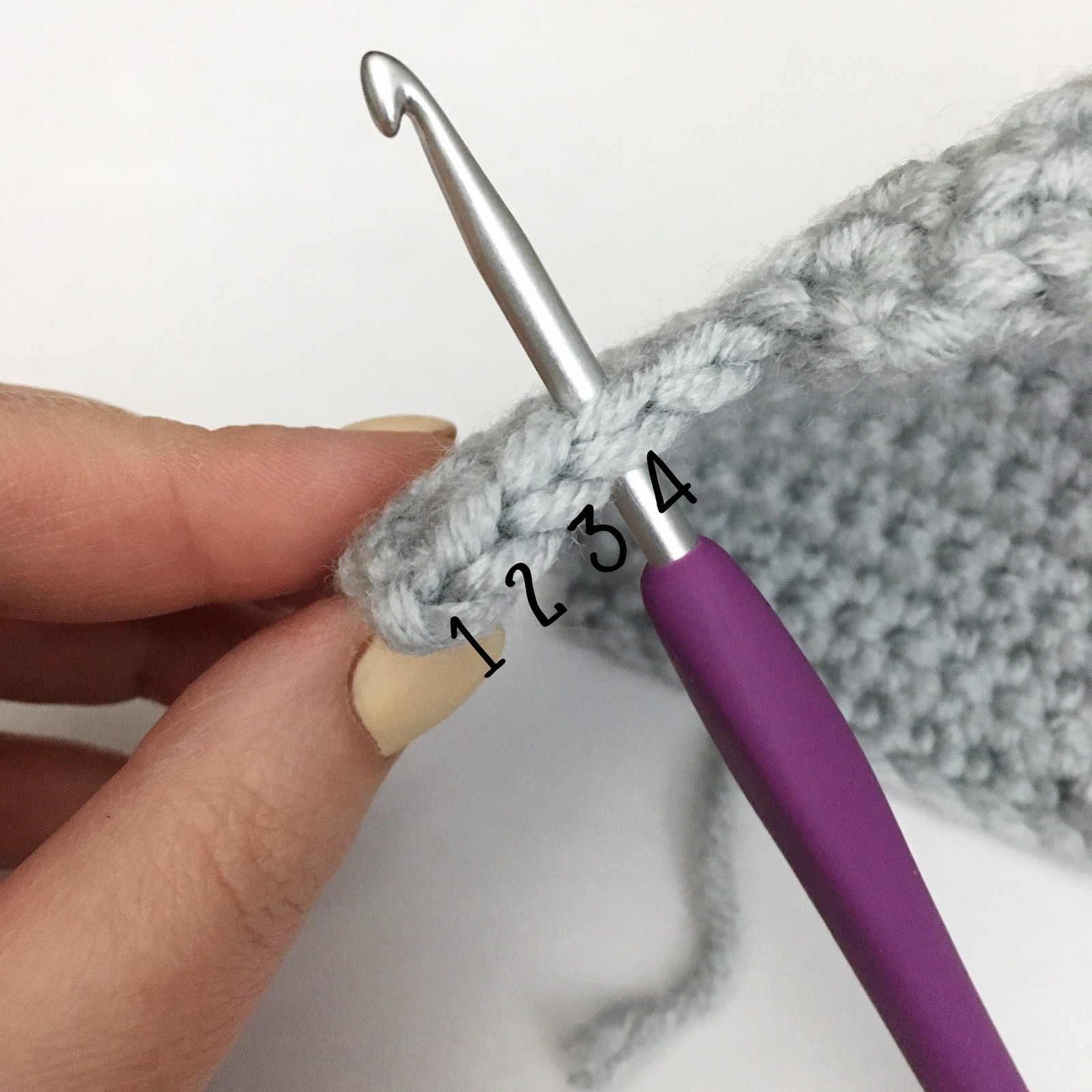
With your 4.0 mm hook, join matching yarn at the side edge and single crochet (sc) evenly through both layers around the perimeter.

Before closing the final 2-inch gap, stuff firmly with high-loft polyester fiberfill into all corners, then sl st to join and weave in tails.

Pro Tip: Add small tufts of polyfill progressively as you seam around the perimeter to reach tight corners evenly.
Printable Masterclass

Download the Ad-Free Printable PDF

Get high-resolution printable stitch charts, offline instructions, and zero-ad crafting. Use code CROCHET20 for 20% OFF.

Get PDF ($3.99)

Frequently Asked Questions

Frequently Asked Questions

Clear answers to common gauge, yarn weight, and technique inquiries

What hook size should I use for the Floppy-Eared Savanna Elephant?

This pattern is calibrated for a single 4.0 mm (US G/6) crochet hook throughout every step. Using the same 4.0 mm hook ensures all panels match in scale and prevents gaps between stitches.

Is the Floppy-Eared Savanna Elephant pattern suitable for beginners?

Yes! Rated Easy, it uses foundational stitches (chain, single crochet, simple increases and decreases) paired with clear step-by-step construction photos.

How do I keep the edges flat when joining two panels together?

Clip the front and back panels together at the corners and midpoints with locking stitch markers before crocheting around the perimeter, and stuff progressively in small tufts.

Can I use cotton yarn instead of acrylic yarn?

Absolutely! A smooth worsted or DK cotton yarn worked with your 4.0 mm hook gives crisp stitch definition and durable structure that holds up beautifully over time.

How do I wash and care for my finished Floppy-Eared Savanna Elephant?

Spot clean gently with cool water and mild wool wash, or hand wash lightly and reshape flat on a dry towel away from direct heat.

International Crochet Stitch Conversion (US • DE • FR • IT • ES)

This pattern uses standard US crochet terminology with a locked 4.0 mm (US G/6) hook: Magic Ring (DE: Fadenring, FR: Cercle magique, IT: Anello magico, ES: Anillo mágico) • Single Crochet [sc] (DE: feste Masche, FR: maille serrée, IT: maglia bassa, ES: punto bajo) • Half Double Crochet [hdc] (DE: halbes Stäbchen, FR: demi-bride, IT: mezza maglia alta, ES: medio punto alto) • Double Crochet [dc] (DE: Stäbchen, FR: bride, IT: maglia alta, ES: punto alto) • Slip Stitch [sl st] (DE: Kettmasche, FR: maille coulée, IT: maglia bassissima, ES: punto deslizado).

Recommended For You

Handpicked free crochet tutorials and verified printable PDF blueprints based on your interests.

Explore More Baby & Kids